U.S. House Passes Legislation Granting Tariff Powers of Up to 100% on Importers of Russian Energy

International Desk
১৭-৯-২০২৬ দুপুর ১:৩২
U.S. House Passes Legislation Granting Tariff Powers of Up to 100% on Importers of Russian Energy
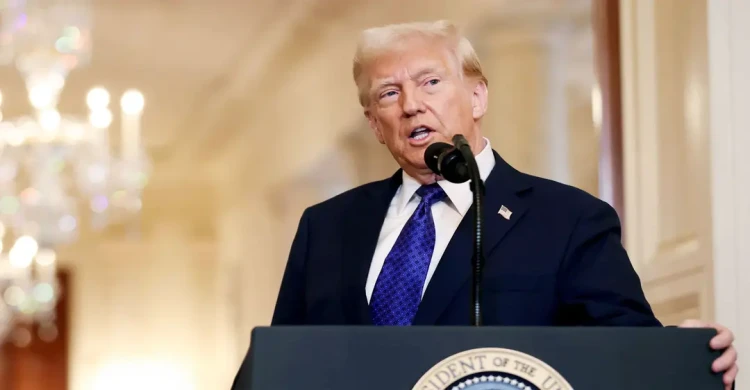
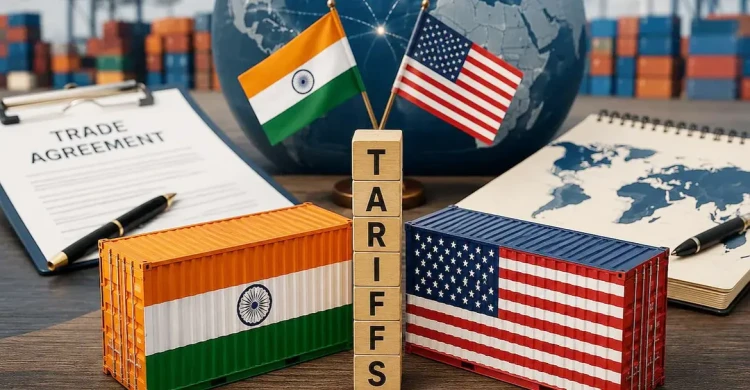
The U.S. House of Representatives has passed sweeping legislation targeting Russian energy revenues, granting President Donald Trump broad statutory authority to impose tariffs of up to 100 percent on major buyers of Russian crude oil and natural gas, including India and China.
Officially titled the Lindsey O. Graham Sanctioning Russia and Iran Act of 2026, the bill cleared the House on Wednesday (September 16) in a 262–159 vote. Having passed the Senate in August by an 86–11 margin, the measure now heads to the White House for President Trump’s signature to become law.
Key Statutory Provisions and Economic Context
The legislation establishes a statutory framework designed to sever revenue streams supporting Moscow's military operations in Ukraine:
-
Discretionary Tariff Authority: Enables the U.S. executive branch to levy tariffs between 0 and 100 percent on goods from top importers of Russian crude oil and natural gas, as well as entities facilitating sanctions evasion.
-
Enforcement Targets: Directs primary and secondary sanctions against Russia's energy and defense sectors, financial institutions, and its maritime "shadow fleet" used to transport oil above Western price caps.
-
Periodic Review Mechanism: Mandates an evaluation every 180 days to identify the largest purchasing nations and sanctions-evasion hubs, with exemptions available for countries demonstrating significant reductions in Russian energy imports.
-
Iran Sanctions Extension: Extends the statutory provisions of the Iran Sanctions Act for an additional five years to restrict funding for Tehran's energy and defense programs.
The legislation was named in memory of the late South Carolina Senator Lindsey Graham, who co-authored the bill and led early negotiation efforts prior to his passing.
Sources: Associated Press, The Hindu, Reuters
International Desk
১৭-৯-২০২৬ দুপুর ১:৩২
The U.S. House of Representatives has passed sweeping legislation targeting Russian energy revenues, granting President Donald Trump broad statutory authority to impose tariffs of up to 100 percent on major buyers of Russian crude oil and natural gas, including India and China.
Officially titled the Lindsey O. Graham Sanctioning Russia and Iran Act of 2026, the bill cleared the House on Wednesday (September 16) in a 262–159 vote. Having passed the Senate in August by an 86–11 margin, the measure now heads to the White House for President Trump’s signature to become law.
Key Statutory Provisions and Economic Context
The legislation establishes a statutory framework designed to sever revenue streams supporting Moscow's military operations in Ukraine:
-
Discretionary Tariff Authority: Enables the U.S. executive branch to levy tariffs between 0 and 100 percent on goods from top importers of Russian crude oil and natural gas, as well as entities facilitating sanctions evasion.
-
Enforcement Targets: Directs primary and secondary sanctions against Russia's energy and defense sectors, financial institutions, and its maritime "shadow fleet" used to transport oil above Western price caps.
-
Periodic Review Mechanism: Mandates an evaluation every 180 days to identify the largest purchasing nations and sanctions-evasion hubs, with exemptions available for countries demonstrating significant reductions in Russian energy imports.
-
Iran Sanctions Extension: Extends the statutory provisions of the Iran Sanctions Act for an additional five years to restrict funding for Tehran's energy and defense programs.
The legislation was named in memory of the late South Carolina Senator Lindsey Graham, who co-authored the bill and led early negotiation efforts prior to his passing.
Sources: Associated Press, The Hindu, Reuters