High Court publishes full verdict banning disclosure of unborn child’s sex

Best News Desk
১১-৫-২০২৬ দুপুর ৪:৩
High Court publishes full verdict banning disclosure of unborn child’s sex
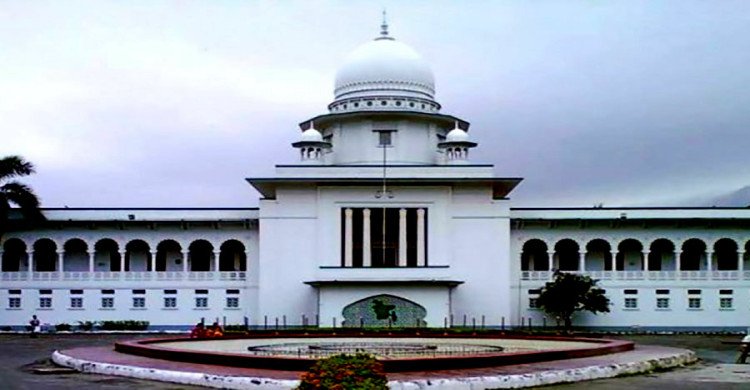
The High Court has released the full text of its verdict declaring the determination and disclosure of an unborn child’s gender through medical tests “illegal, discriminatory, and unconstitutional”.
The verdict, delivered by the High Court bench of Justice Naima Haider and Justice Kazi Zinat Hoque, was recently published after the court issued its short order on Feb 25, 2024.
The court ordered the Directorate General of Health Services (DGHS) to create a central database within six months to preserve and monitor records related to such diagnostic reports from all hospitals and diagnostic centres across the country.
The writ petition was filed on Jan 26, 2020, by Supreme Court lawyer Ishrat Hasan, seeking directives to stop the disclosure of foetal sex before birth.
She argued the petition herself, assisted by Advocate Tanzila Rahman, while Deputy Attorney General Amit Das Gupta represented the state, reports bdnews24.com.
In its detailed observations, the High Court said misuse of ultrasonography and other diagnostic technologies to identify foetal sex is increasing, leading to female foeticide, gender imbalance and discrimination against women.
The court said such practices directly violate the rights to life and dignity of both unborn children and mothers.
Citing Articles 18, 27, 28, 31, and 32 of the Constitution, it held that prenatal sex determination institutionalises discrimination before birth.
The bench ruled that creating opportunities to destroy life solely based on gender is clearly unconstitutional, adding that the constitutional right to life encompasses health, safety, and a dignified existence.
The verdict also noted that Bangladesh is a signatory to the UN Convention on the Rights of the Child and the Convention on the Elimination of All Forms of Discrimination Against Women (CEDAW), making the elimination of discrimination against women and girls an international obligation.
Drawing parallels with India's “PCPNDT Act, 1994”, the court said countries like China, Nepal, Vietnam, and many in Europe have legally banned foetal sex determination unless medically necessary.
The court also warned that under the Bangladesh Medical and Dental Council Act, 2010, doctors are required to maintain professional ethics, and disclosure of foetal sex without medical necessity amounts to professional misconduct.
It added that misuse of such information leading to illegal abortion or loss of life may also constitute a criminal offence under the Penal Code.
During the hearing, the DGHS informed the court that the government approved a national policy on the issue on Feb 20, 2023.
The High Court, however, said the policy lacked any digital portal, central database, monitoring mechanism or punishment framework for implementation.
The court said merely approving a policy on paper without an effective database system cannot stop the practice or protect fundamental rights, adding that delayed administrative measures taken after issuance of the rule cannot avoid judicial scrutiny.
In its directives, it ordered the health authorities to regularly update the proposed database covering all government and private hospitals, clinics and diagnostic centres.
The verdict has also been declared a continuing mandamus to ensure implementation and future judicial oversight, with the authorities ordered to submit a compliance report before the court.
Best News Desk
১১-৫-২০২৬ দুপুর ৪:৩
The High Court has released the full text of its verdict declaring the determination and disclosure of an unborn child’s gender through medical tests “illegal, discriminatory, and unconstitutional”.
The verdict, delivered by the High Court bench of Justice Naima Haider and Justice Kazi Zinat Hoque, was recently published after the court issued its short order on Feb 25, 2024.
The court ordered the Directorate General of Health Services (DGHS) to create a central database within six months to preserve and monitor records related to such diagnostic reports from all hospitals and diagnostic centres across the country.
The writ petition was filed on Jan 26, 2020, by Supreme Court lawyer Ishrat Hasan, seeking directives to stop the disclosure of foetal sex before birth.
She argued the petition herself, assisted by Advocate Tanzila Rahman, while Deputy Attorney General Amit Das Gupta represented the state, reports bdnews24.com.
In its detailed observations, the High Court said misuse of ultrasonography and other diagnostic technologies to identify foetal sex is increasing, leading to female foeticide, gender imbalance and discrimination against women.
The court said such practices directly violate the rights to life and dignity of both unborn children and mothers.
Citing Articles 18, 27, 28, 31, and 32 of the Constitution, it held that prenatal sex determination institutionalises discrimination before birth.
The bench ruled that creating opportunities to destroy life solely based on gender is clearly unconstitutional, adding that the constitutional right to life encompasses health, safety, and a dignified existence.
The verdict also noted that Bangladesh is a signatory to the UN Convention on the Rights of the Child and the Convention on the Elimination of All Forms of Discrimination Against Women (CEDAW), making the elimination of discrimination against women and girls an international obligation.
Drawing parallels with India's “PCPNDT Act, 1994”, the court said countries like China, Nepal, Vietnam, and many in Europe have legally banned foetal sex determination unless medically necessary.
The court also warned that under the Bangladesh Medical and Dental Council Act, 2010, doctors are required to maintain professional ethics, and disclosure of foetal sex without medical necessity amounts to professional misconduct.
It added that misuse of such information leading to illegal abortion or loss of life may also constitute a criminal offence under the Penal Code.
During the hearing, the DGHS informed the court that the government approved a national policy on the issue on Feb 20, 2023.
The High Court, however, said the policy lacked any digital portal, central database, monitoring mechanism or punishment framework for implementation.
The court said merely approving a policy on paper without an effective database system cannot stop the practice or protect fundamental rights, adding that delayed administrative measures taken after issuance of the rule cannot avoid judicial scrutiny.
In its directives, it ordered the health authorities to regularly update the proposed database covering all government and private hospitals, clinics and diagnostic centres.
The verdict has also been declared a continuing mandamus to ensure implementation and future judicial oversight, with the authorities ordered to submit a compliance report before the court.