Trump approves US-Saudi nuclear deal amid Middle East unrest

Best News Desk
২২-৭-২০২৬ দুপুর ৪:৩৪
Trump approves US-Saudi nuclear deal amid Middle East unrest
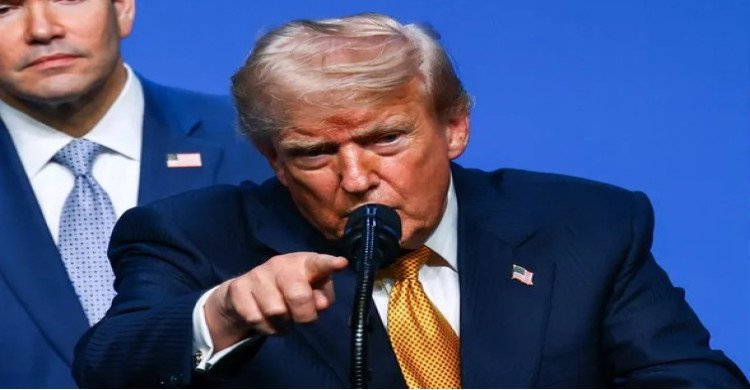
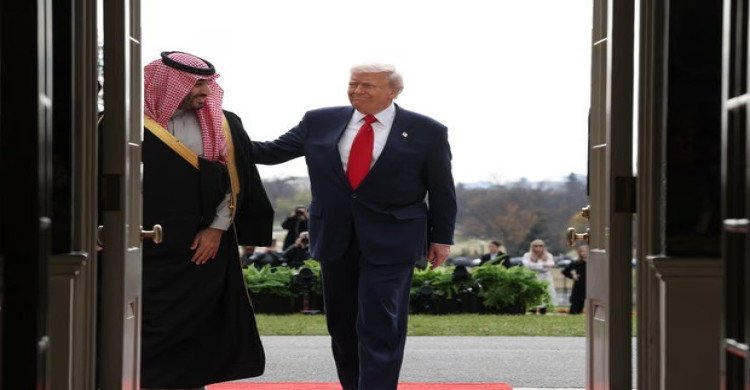
US President Donald Trump has approved a 30-year civil nuclear cooperation agreement with Saudi Arabia. This deal may eventually allow Riyadh to enrich uranium on its own soil. Official announcement is due in the coming days. Cnbctv and the Guardian reported.
Bilateral agreement establishes a legal framework under section 123 of the US Atomic Energy Act. It allows American companies to participate directly in the development of Kingdom’s commercial nuclear energy sector.
The proposal bypasses key non-proliferation safeguards historically required by Washington. The agreement omits the ‘gold standard’ ban on domestic enrichment and spent-fuel reprocessing. It also excludes the International Atomic Energy Agency's (IAEA) Additional Protocol, which permits snap inspections.
Non-proliferation experts warn that domestic enrichment facilities lower the technical barrier to developing nuclear weapons. While civilian power generation requires low-enriched uranium, centrifuges can be reconfigured to produce weapons-grade material.
Crown Prince Mohammed bin Salman previously pledged that Saudi Arabia would build a nuclear weapon if regional rival Iran acquired one. The agreement comes amid ongoing US and Israeli military operations targeting Iranian nuclear infrastructure.
Security concerns have heightened further following a mutual defense pact signed between Saudi Arabia and Pakistan. Pakistani officials indicated their nuclear assets could be made available to Riyadh if required.
The White House must submit the pact to the US Congress for a mandatory 90-day review period. Lawmakers in both parties are expected to scrutinize the arrangement over nuclear proliferation risks.
Best News Desk
২২-৭-২০২৬ দুপুর ৪:৩৪
US President Donald Trump has approved a 30-year civil nuclear cooperation agreement with Saudi Arabia. This deal may eventually allow Riyadh to enrich uranium on its own soil. Official announcement is due in the coming days. Cnbctv and the Guardian reported.
Bilateral agreement establishes a legal framework under section 123 of the US Atomic Energy Act. It allows American companies to participate directly in the development of Kingdom’s commercial nuclear energy sector.
The proposal bypasses key non-proliferation safeguards historically required by Washington. The agreement omits the ‘gold standard’ ban on domestic enrichment and spent-fuel reprocessing. It also excludes the International Atomic Energy Agency's (IAEA) Additional Protocol, which permits snap inspections.
Non-proliferation experts warn that domestic enrichment facilities lower the technical barrier to developing nuclear weapons. While civilian power generation requires low-enriched uranium, centrifuges can be reconfigured to produce weapons-grade material.
Crown Prince Mohammed bin Salman previously pledged that Saudi Arabia would build a nuclear weapon if regional rival Iran acquired one. The agreement comes amid ongoing US and Israeli military operations targeting Iranian nuclear infrastructure.
Security concerns have heightened further following a mutual defense pact signed between Saudi Arabia and Pakistan. Pakistani officials indicated their nuclear assets could be made available to Riyadh if required.
The White House must submit the pact to the US Congress for a mandatory 90-day review period. Lawmakers in both parties are expected to scrutinize the arrangement over nuclear proliferation risks.