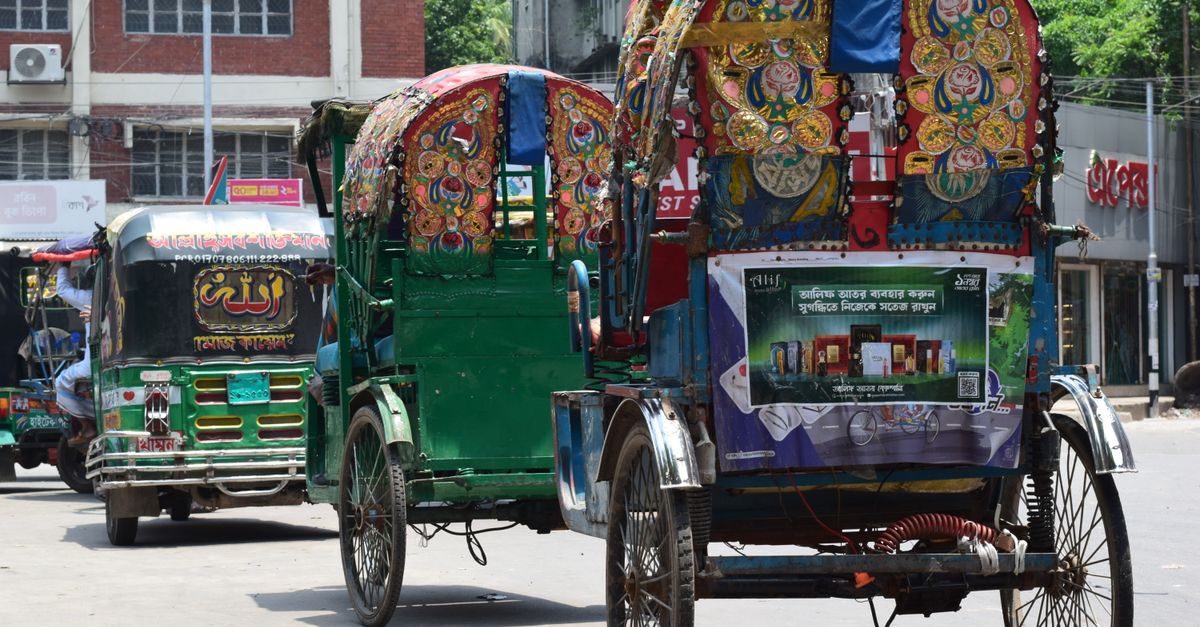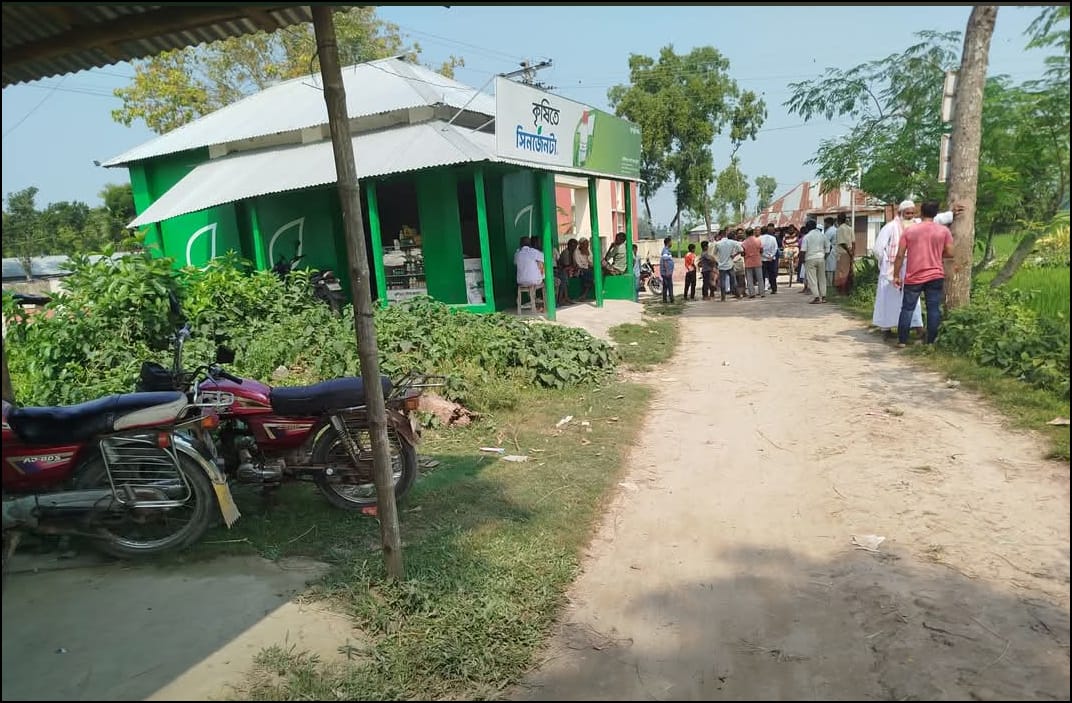
Bharnapara Bazar is an important rural settlement in a remote area of Ghoraghat Upazila, Dinajpur. People from surrounding villages visit the market every day, alongside educational institutions, trade and commerce, and various daily activities. However, this populous market and its neighboring villages lack any modern primary healthcare center. As a result, when residents fall ill, they have to rush roughly 10 kilometers away to the upazila sadar hospital or to a health center in Raniganj for treatment.
Hardship on Vulnerable Groups & Distance as a Major Barrier
Children, elderly individuals, pregnant women, and patients from poor families suffer the greatest hardship from this gap. Residents' concern is growing over getting rapid treatment during sudden illness at night, accidents, or emergency health situations, strengthening calls to establish a modern primary healthcare center at Bharnapara Bazar.
Locals complain that they must travel far even for common fever, cold, body aches, or other basic care. Vehicle shortages, travel costs, and wasted time add extra burden when seeking treatment, and arranging transport to take a patient to hospital at night often becomes difficult.
Speaking with residents of Bharnapara Bazar and nearby villages, it is clear that adequate primary medical arrangements do not exist locally, leaving people reliant on the upazila sadar hospital or Raniganj when sick and risking delays in critical moments due to distance. Locals stress that swift care is vital during labor pains, childhood fever, breathing distress, accidents, or sudden illness among the elderly, yet remote transport limits often complicate reaching care. They believe a primary health center at Bharnapara Bazar would let nearby villagers easily access doctor consultations, primary care, essential medicines, and emergency health services.
Busy Market Hub Lacking Healthcare Infrastructure & Representatives' Call
 Read next18 Teenagers Held in Joint DB and Police Crackdown in Hossainpur
Beyond buying and selling, Bharnapara Bazar serves as a vital hub for communication, business, and social activity across several surrounding villages, complete with a high school and a primary school drawing farmers, traders, students, parents, and workers daily. Locals question why such an essential hub lacks even minimal medical infrastructure, noting that a clinic needs not only a building but also regular doctors, nurses, and health workers, essential medicines, basic diagnostic tests, and a system to refer emergency patients for advanced care.
Sajjad Hossain, chairman of No. 3 Singra Union Parishad, said Bharnapara Bazar is a key center in a remote part of Ghoraghat Upazila around which daily life, trade, and transport in neighboring villages revolve, but inadequate healthcare forces sick patients far away—hurting poor families, pregnant women, children, and the elderly most. He said establishing a health center at Bharnapara Bazar would benefit many people in a matter of public interest, urging relevant authorities to assess prospective land, population, and healthcare demand to submit proposals and take action, while pledging Union Parishad support.
Golam Rabbani, a member of No. 3 Singra Union Parishad, also highlighted long-standing healthcare difficulties for people in Bharnapara Bazar and surrounding remote areas, saying a clinic would help many villages and urging outreach to relevant departments with proposals based on land availability, population, and healthcare needs.
Locals Await Concrete Action
Establishing a health center at Bharnapara Bazar has become a central issue for local health and safety, with residents hoping the upazila administration, health department, and elected representatives will prioritize a government plan after verifying population, market importance, village distances, and real medical needs.
A local resident said remote living makes traveling far for treatment difficult—especially taking someone seriously ill to hospital at night—and noted a clinic at Bharnapara Bazar would greatly help ordinary people. Another resident said pregnant women, children, and the elderly endure the worst hardship and poor families struggle with repeated travel and treatment costs, whereas a local market clinic would at least provide basic care nearby. A trader said farmers, buyers, sellers, and workers gather daily with no immediate care if someone falls suddenly ill, while a teacher noted healthcare is a fundamental right and a clinic at Bharnapara Bazar would let students, teachers, parents, and villagers access primary care easily.
— Daily Best News Desk • Fearless in the search for truth
Reported by Golam Mostafizar Rahman Milan, Hili (Dinajpur) Correspondent • Edited by the Daily Best News desk. Send corrections to [email protected].