Fitch cuts Bangladesh outlook to negative on Middle East fallout

Best News Desk
১৩-৫-২০২৬ বিকাল ৬:৪৭
Fitch cuts Bangladesh outlook to negative on Middle East fallout
Fitch Ratings has revised the outlook on Bangladesh's long-term issuer default ratings (IDRs) to 'Negative' from 'Stable', while affirming the IDRs at 'B+' due to macroeconomic vulnerabilities stemming from significant exposure to the conflict in the Middle East.
The global rating agency issued a statement from Hong Kong today, saying that Fitch considers limited progress in reforms to address weaknesses in Bangladesh's policy framework, public finances, and financial sector, along with sustained weak institutional governance, is gradually eroding the sovereign's capacity to absorb shocks.
The ratings reflect moderate government debt and access to concessional external financing, balanced against an external liquidity position that remains relatively weak; governance standards lower than peers; significant financial sector challenges; and lagging structural metrics compared with peers.
Fitch said the Middle East conflict creates significant downside risks, particularly through the supply and cost of energy imports and remittances.
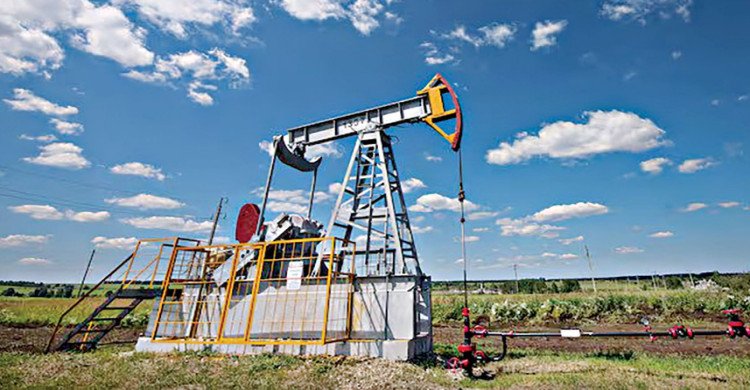
Nearly half of remittances (3.5 percent of gross domestic product in 2025) originate from the Middle East, while crude oil and petroleum products together account for nearly 15 percent (or $10 billion in 2025) of total imports, according to the statement.
Strong remittance inflows so far in financial year 2026 (FY26, June 2026) provide near-term support to external finances; however, uncertainty regarding the conflict's duration poses substantial downside risks, the ratings agency added.
Best News Desk
১৩-৫-২০২৬ বিকাল ৬:৪৭
Fitch Ratings has revised the outlook on Bangladesh's long-term issuer default ratings (IDRs) to 'Negative' from 'Stable', while affirming the IDRs at 'B+' due to macroeconomic vulnerabilities stemming from significant exposure to the conflict in the Middle East.
The global rating agency issued a statement from Hong Kong today, saying that Fitch considers limited progress in reforms to address weaknesses in Bangladesh's policy framework, public finances, and financial sector, along with sustained weak institutional governance, is gradually eroding the sovereign's capacity to absorb shocks.
The ratings reflect moderate government debt and access to concessional external financing, balanced against an external liquidity position that remains relatively weak; governance standards lower than peers; significant financial sector challenges; and lagging structural metrics compared with peers.
Fitch said the Middle East conflict creates significant downside risks, particularly through the supply and cost of energy imports and remittances.
Nearly half of remittances (3.5 percent of gross domestic product in 2025) originate from the Middle East, while crude oil and petroleum products together account for nearly 15 percent (or $10 billion in 2025) of total imports, according to the statement.
Strong remittance inflows so far in financial year 2026 (FY26, June 2026) provide near-term support to external finances; however, uncertainty regarding the conflict's duration poses substantial downside risks, the ratings agency added.