**
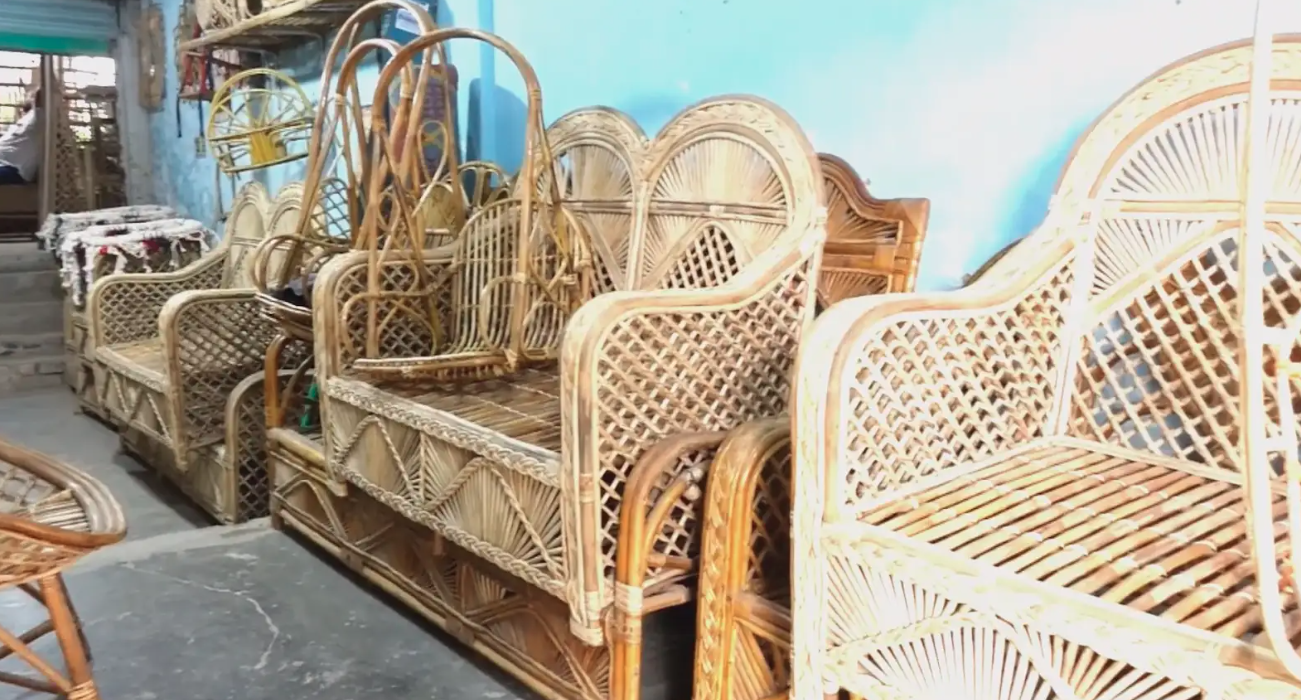
Once upon a time, bamboo and cane-made chairs, moras (stools), cradles, or dining sets could be seen in every rural household in Bengal. However, with the passage of time, those spaces have been taken over by iron, plastic, and modern furniture. This traditional handicraft is now on the verge of loss. Yet, some artisans have still not given up, among whom is Ershad from Rangpur.**
Through his exquisite skills, he is trying to hold onto this tradition. However, with the decline in demand, artisans are finding themselves in trouble despite maintaining the quality of their work. Buyers demand that this lost art be introduced to the new generation through marketing in a new format.
Meanwhile, BSCIC has announced plans to provide training and financial assistance to keep this handicraft alive.
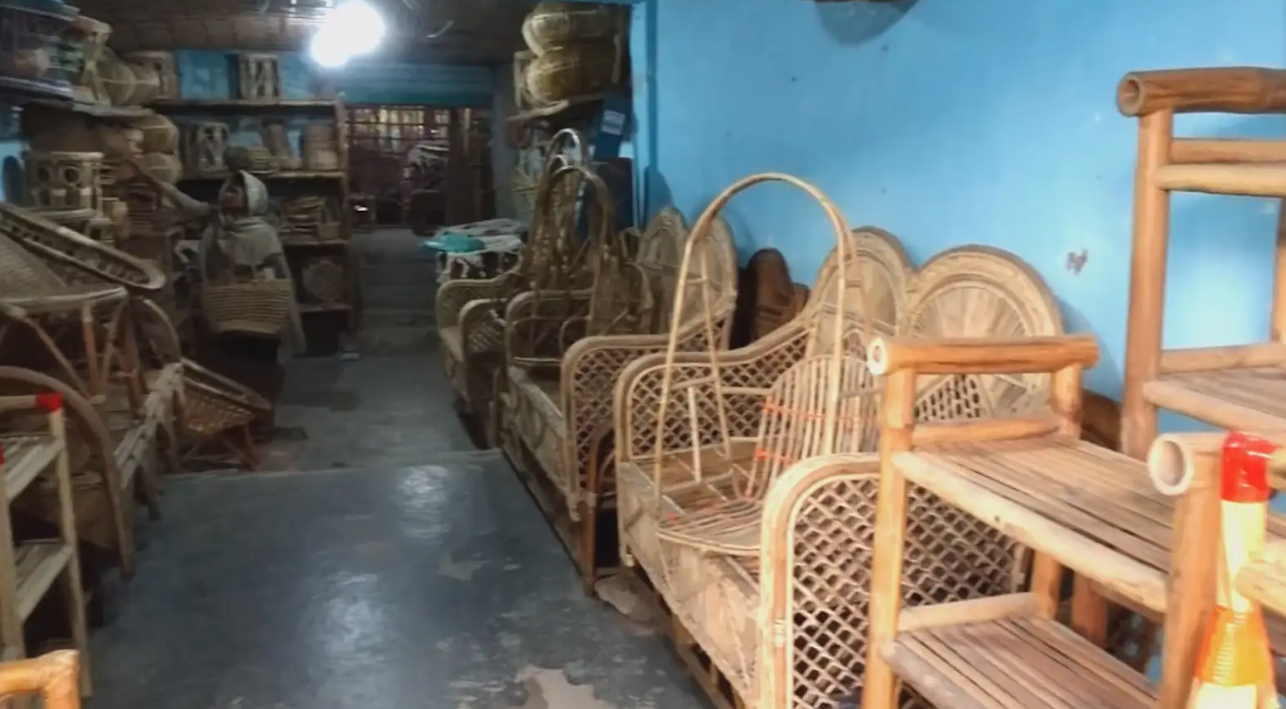
During a field visit, several shops in the Shapla Chattar area of Rangpur city were seen displaying various furniture items made of bamboo and cane, such as chairs, moras, and cradles. Out of hobby, customers come and take a look; some leave while others make purchases. However, that familiar crowd and demand are no longer what they used to be.
Businessman Ershad Ali said, "I have been involved with this industry since I was 11 years old. Gradually learning the work, I established my own business. At one time, more than half a hundred artisans worked under me. But as days went by, the demand for this bamboo and cane furniture decreased. People are now leaning towards modern furniture made of plastic, wood, and steel. Now earnings and income have also dropped."
 Read nextHuman Chain and Protest Held in Sherpur Demanding Arrest of Self-Declared Brahmachari Prabir Chowdhury and Associates
He further said, "I wanted my son to carry on this profession, but he is not interested in doing this business either. However, as long as I live, I will hold onto this profession. I have dedicated my entire youth and life to this handicraft, so it is not possible for me to walk away and do something else. But if the government took initiatives to recreate the market for this industry, perhaps this bamboo and cane handicraft would regain its vitality among the younger generation."
Sanjida Sima, a resident of the Shalban area in the city, said, "In my childhood, I used to see the prevalence of chairs, moras, and cradles made of bamboo and cane. But with time, the demand has decreased. People no longer express interest in buying these. I bought an easy chair just to hold onto old memories."
Shabnaz Begum said, "Our houses are now taken over by steel, plastic, and other furniture. The demand for bamboo and cane furniture is practically non-existent now. The new generation perhaps doesn't even know about this handicraft."
Murad Hasan said, "If this handicraft can be marketed again in a new format, and if its design and attractiveness are enhanced according to people's needs, I think it is possible to bring back this bamboo and cane industry."
Bamboo and cane furniture artisan Abdur Rahim Mia said, "Earlier there was a lot of work pressure. But with falling demand, there is no such pressure now. However, we have kept the quality of our work intact. But people no longer buy these furniture pieces."
Artisan Sohel Mia said, "The bamboo-cane industry is now becoming extinct. If no steps are taken by the government, this industry will be lost."
Ehsanul Haq, Deputy General Manager of the BSCIC Rangpur District Office, said, "The government will soon take steps to introduce handicrafts to the younger generation. Besides, we are also working on expanding the market for the bamboo and cane industry. There is also a plan to make artisans more skilled through training and provide financial assistance."
— Daily Best News Desk • Fearless in the search for truth
Reported by Rangpur Bureau • Edited by the Daily Best News desk. Send corrections to [email protected].