* Due to river erosion and a lack of connectivity, approximately 550,000 people living in the 'char' (riverine island) areas of Kurigram are completely deprived of modern medical services.
* In the absence of adequate health centers in these 'char' areas, patients suffering from minor illnesses or complications during childbirth are forced to travel for hours along river routes to reach the town.
* Local residents have demanded the urgent reconstruction of community clinics lost to river erosion, as well as the establishment of new healthcare facilities.
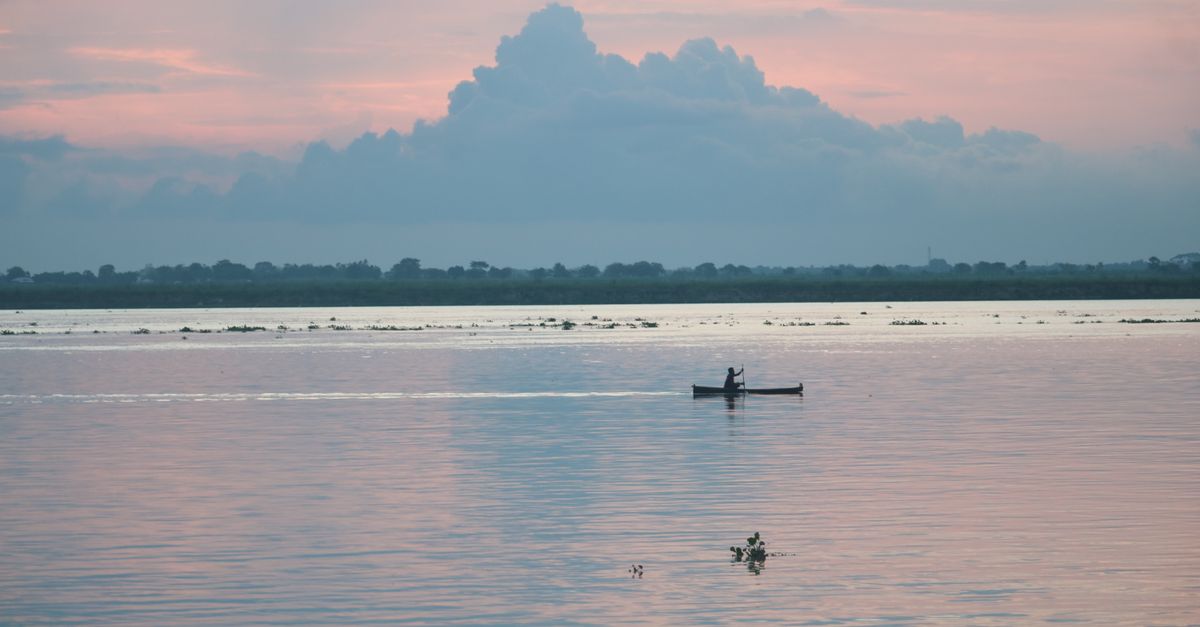
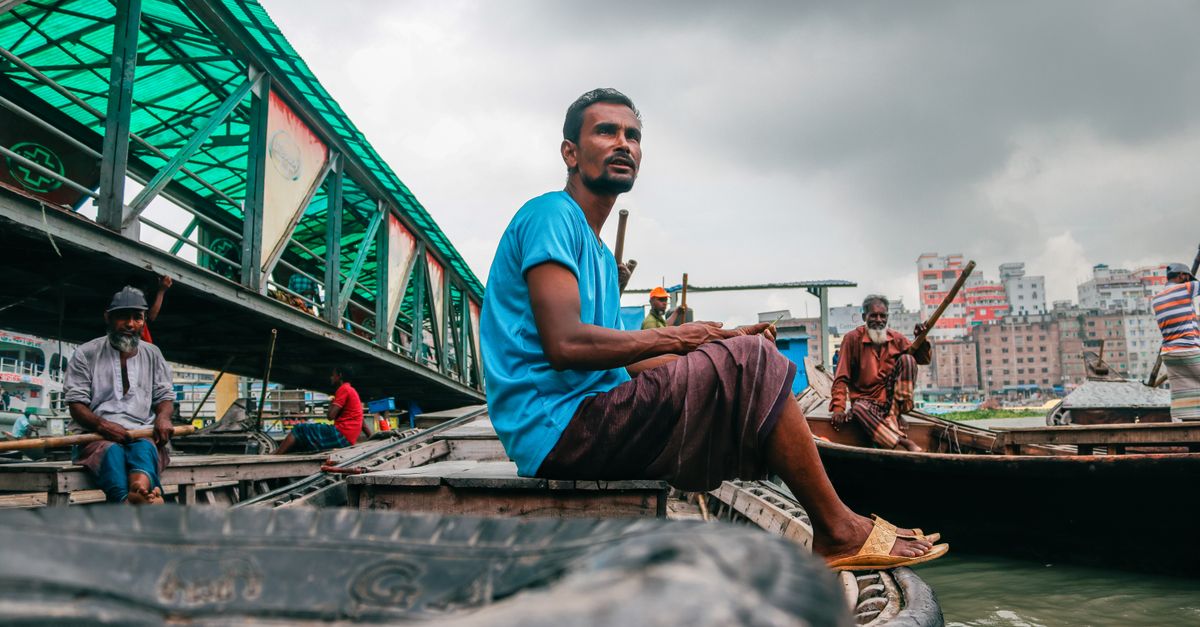
Approximately 550,000 people living across the scattered char areas—which cover nearly half of Kurigram district—are enduring extreme hardship, deprived of even the most basic medical care. Geographically isolated from the country's mainland, these impoverished communities must travel for hours by river to reach hospitals in the upazila or district town whenever they require emergency medical attention.
The district, spanning 2,245 square kilometers, contains 269 chars of varying sizes that are inhabited by people. For these residents—who constantly battle floods, river erosion, and the forces of nature—illness serves as an additional, crushing curse.
Yet, for these economically disadvantaged populations, most chars lack even the most rudimentary primary healthcare services. The few government health centers that do exist are woefully inadequate to meet the demand. With no permanent pharmacies on the chars, even essential items—such as paracetamol or oral rehydration salts (ORS)—are difficult to obtain.
Hossain Ali, a Union Parishad (UP) member from Jatrapur Union in Sadar upazila, notes that about 700 people reside on Kalir Alga char, located in the Brahmaputra River basin. The only community clinic there has already been lost to river erosion. To reach the district or upazila hospital, residents must first travel by boat for about two hours to reach the Jatrapur ferry terminal, followed by an additional eight-kilometer journey by road.
Pregnant women living in these char areas face the greatest suffering and risk. Khodeja Begum, a resident of Porar Char in Jatrapur Union, explains that when pregnant women go into labor, they have no choice but to rely on local traditional birth attendants or untrained village practitioners.
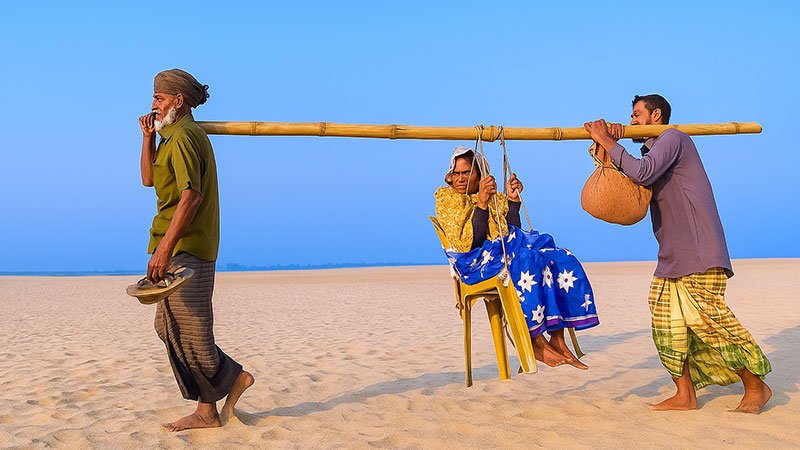
If a woman’s condition worsens or complications arise, she must be transported to a hospital in the town—a journey by boat that takes one to one-and-a-half hours and is fraught with significant risk. Similarly, Abdul Aziz, a resident of Char Bidyananda in Rajarhat Upazila, had to carry his ailing wife on a makeshift bamboo stretcher to the boat landing to seek medical help. The situation is much the same in the remote, riverine island (char) areas across other upazilas, including Ulipur, Roumari, and Rajibpur.
According to the district health department, while there are 295 community clinics across the district’s nine upazilas, only 50 are located in these remote char areas. Furthermore, six of these clinics have already been completely lost to river erosion. A health worker in Jhunkar Char notes that while their clinic can provide basic primary care, it lacks the facilities required for emergency situations, such as childbirth.
Concerned citizens are strongly urging for the reconstruction of clinics lost to river erosion and the establishment of new health centers in the char areas to ensure that healthcare reaches this vast, marginalized population. In response, Dr. Swapan Kumar Biswas, the Civil Surgeon of Kurigram, stated that his department is working earnestly to ensure healthcare access for the residents of these riverine islands and to resolve the ongoing crisis in the local health sector.
— Daily Best News Desk • Fearless in the search for truth
Reported by Mahfuz Rahman Khandaker, Kurigram: • Edited by the Daily Best News desk. Send corrections to [email protected].