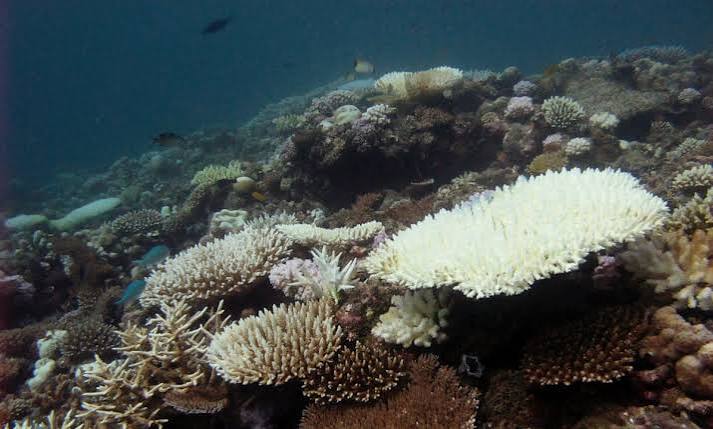
In the first global assessment of its kind released on Thursday during the UN’s COP17 biodiversity summit in Yerevan, Armenia, the International Union for Conservation of Nature (IUCN) warned that 96 percent of the world's shallow-water coral reef systems face an "extremely high risk" of collapse by 2075.
Driven primarily by human-driven climate change and rising ocean temperatures that trigger damaging bleaching events, major reef systems—such as Australia's Great Barrier Reef, the Coral Triangle, the Mesoamerican Barrier Reef, and Red Sea reefs—have been classified as "critically endangered."
Researchers utilized a UN climate scenario projecting global temperatures to rise 2.7°C by 2100. Additional pressures, including overfishing (threatening 63 percent of reefs by depleting herbivores like parrotfish), coastal development, pollution, and tourism, compound the crisis. However, IUCN Director General Grethel Aguilar emphasized that reefs are not yet lost, urging decisive climate action, ambitious emissions reductions, and strengthened conservation efforts to give ecosystems a chance to recover.
— Daily Best News Desk • Fearless in the search for truth
Reported by International Desk • Edited by the Daily Best News desk. Send corrections to [email protected].