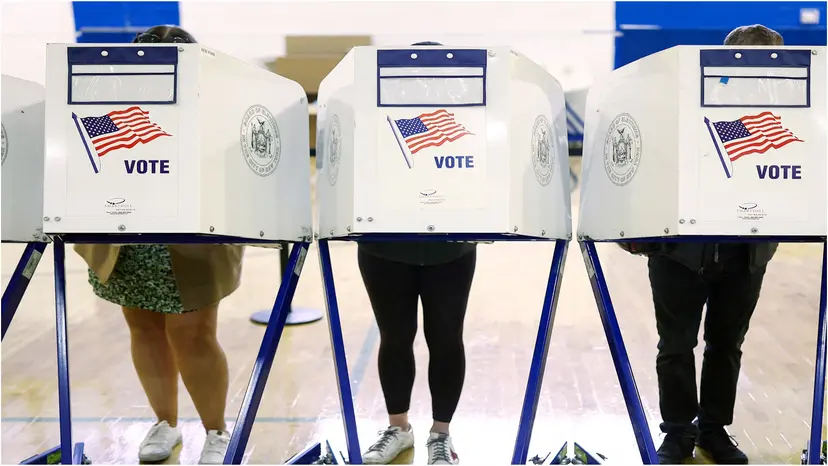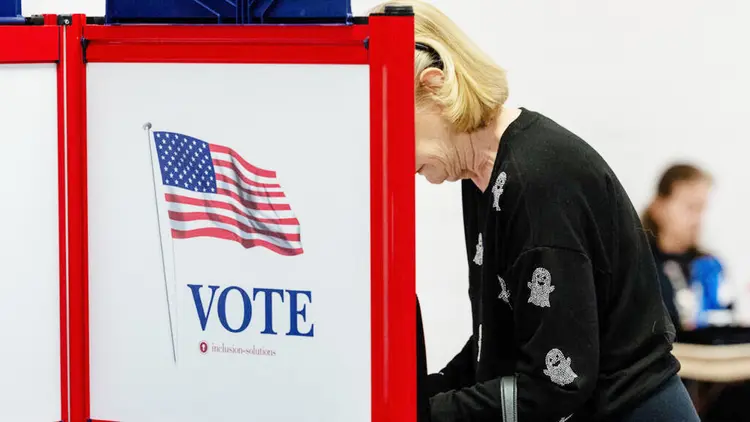
As voting officially gets underway across the United States on Tuesday, November 3, 2026, millions of Americans are heading to the polls to decide the composition of the United States Congress and state leadership. While the presidency is not on the ballot—ensuring President Donald Trump and Vice President JD Vance remain in office—the outcome of these elections will determine the balance of power in Washington and shape executive policy for the remaining two years of their term.
Voters across all 50 states are electing members to both chambers of Congress. In the lower house, all 435 seats in the House of Representatives (which carry 2-year terms) are up for election. In the upper house, 35 seats in the 100-member Senate (which carry 6-year terms) are up for vote, representing approximately one-third of the chamber. Additionally, voters in 39 states will elect their State Governors, alongside thousands of local government officials, judicial appointments, tax measures, abortion initiatives, and state voting law reforms.
 Read nextIndian Sailor Killed in Attack on Indian-Flagged Cargo Vessel 'MSV Al Jusufi' Off Oman Coast
The political significance of these midterms centers on legislative control. Republicans currently hold a narrow majority in the House and maintain a 53 to 47 advantage in the Senate (including two independents caucusing with Democrats). If the Democratic Party gains control of either chamber, President Trump's ability to pass legislation, confirm judicial and executive nominees, or approve federal budgets will be severely constrained, creating potential legislative gridlock for the administration.
— Daily Best News Desk • Fearless in the search for truth
Reported by International Desk • Edited by the Daily Best News desk. Send corrections to [email protected].