October 31 is World Cities Day. The theme for 2026—"Urban Renaissance: Adequate Housing for All"—brings a critical question to the forefront of urban development: for whom are cities being built? If cities merely provide opportunities for work, education, and healthcare, but fail to offer secure housing, mobility, safe drinking water, and a healthy environment, urban development remains incomplete. World Cities Day is therefore not merely an occasion to celebrate urban achievements; it is also a day to review how effectively urban planning, services, and accountability have reached people's lives.
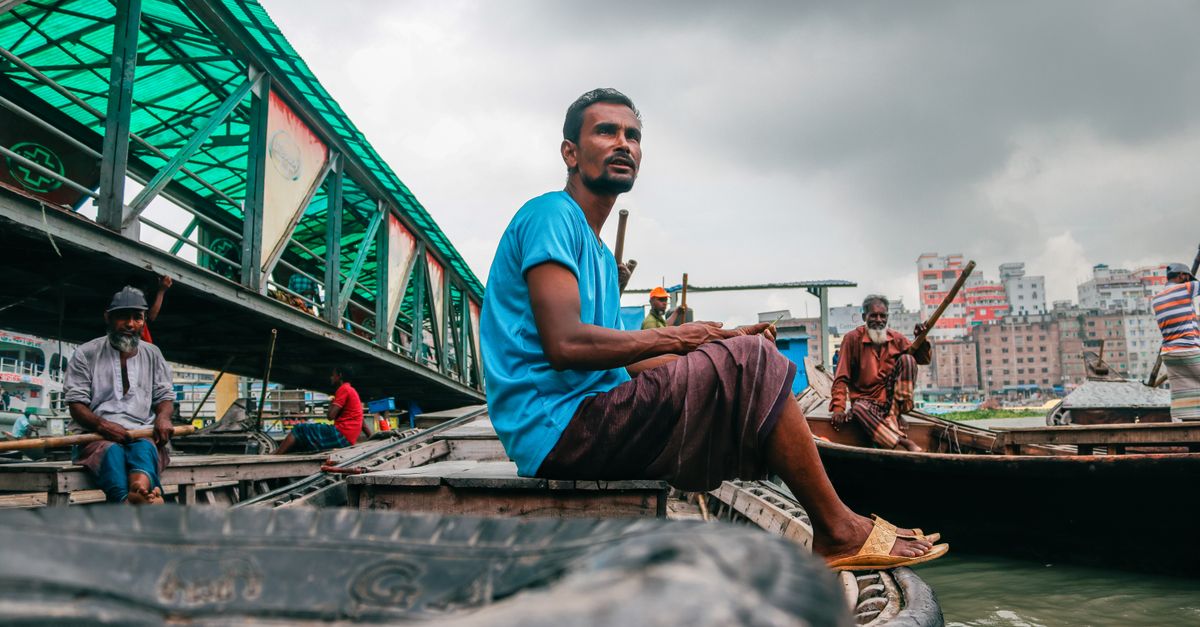
The influx of people into cities in Bangladesh is growing rapidly. According to a World Bank analysis in 2025, the country's urban population increased by 11.5 million between 2011 and 2022, with approximately 6 million people moving from rural areas to cities. The same analysis notes that one in every four poor people in the country lives in urban areas. This shift should not be viewed merely as demographic pressure; it serves as a litmus test for housing, employment, transportation, water, and civic service planning. Dhaka is the most visible example of this crisis, but unplanned urbanization is also a matter of concern across major cities, district towns, and municipal areas of the country.
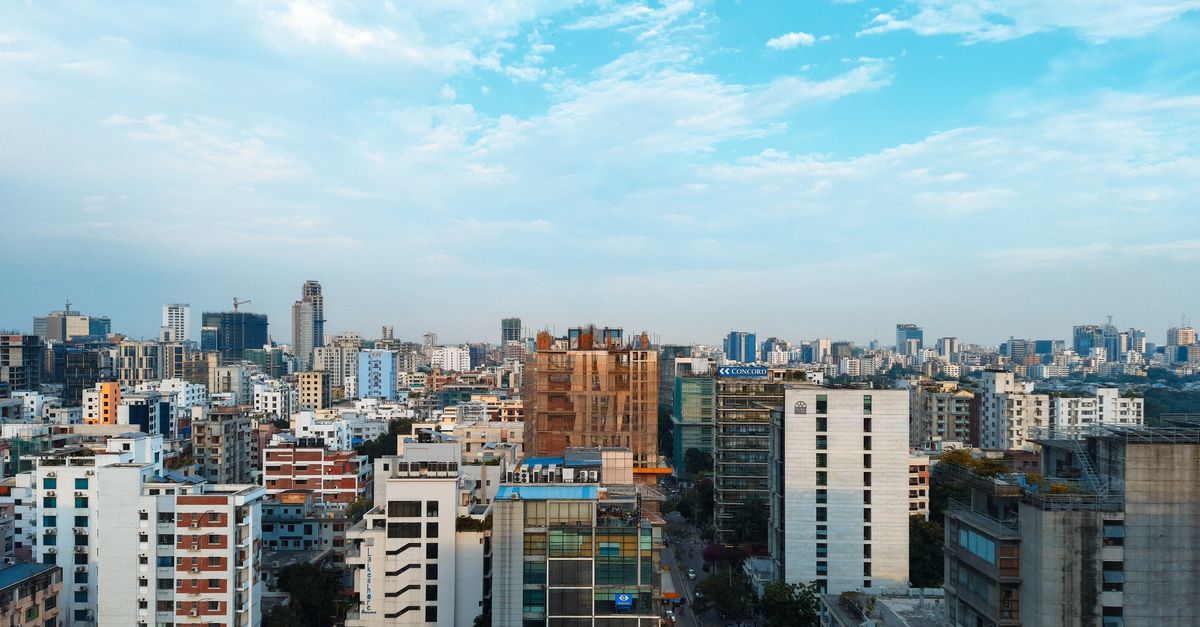
For Dhaka, RAJUK's Detailed Area Plan (DAP) provides directives on land use, water bodies, flood flow zones, and infrastructural development. However, mere existence of a plan does not make a city planned; consistent enforcement is required to construct buildings according to approved designs, utilize land in compliance with area carrying capacity, and ensure services proportional to population. The Chairman of RAJUK stated in April 2025 that identification of unauthorized parts in 3,382 buildings under construction within the RAJUK area had commenced. While this figure does not account for all buildings in Dhaka or nationwide, it underscores the importance of regular inspection and rule enforcement post-building approval.
Unauthorized construction or deviation from designs is not just a breach of rules; it endangers the security of residents and surrounding populations. Structural and fire safety of buildings, emergency exits, entry points, and the capacity of surrounding roads are all tied to approval and inspection. Therefore, information regarding building approvals, designs, construction-stage inspections, and occupancy permits must be published in a format easily verifiable by citizens. Effective measures must be taken to halt construction, order corrections, or restrict the use of hazardous buildings in cases of severe irregularities. Just as builders must be held accountable for breaking rules, relevant authorities must also provide explanations for negligence in approval or monitoring.
Another major yardstick of urban development is how safe and accessible roads are for everyone. Viewing roads solely as thoroughfares for vehicular traffic ignores the needs of pedestrians, public transport commuters, cyclists, children, the elderly, and persons with disabilities. Encroached or disconnected footpaths, lack of safe crossings, insufficient lighting, and hazardous intersections force people to share the same path with vehicles. Safe crossings, planned bus stops, appropriate street lighting and signage, and disability-friendly designs should be mandatory components of every road project.
Viewing road accidents merely as driver error conceals major opportunities for prevention. Alongside speeding, rule violations, and unskilled drivers, flawed road designs, roadside obstacles, and deficiencies in footpaths and pedestrian crossings also heighten accident risks. The World Bank's analysis on road safety in Bangladesh indicates that mixed traffic utilizing the same roads, narrow lanes, limited shoulders or lack of footpaths, and the absence of safe infrastructure increase risks. In other words, poorly planned road designs are a tangible cause of accidents and must be given serious consideration during road construction and renovation.
According to the World Health Organization's (WHO) 2025 Bangladesh profile, government figures recorded 5,084 deaths from road accidents in 2021, while the organization's model-based estimate for the same year stood at 31,578. These two figures are calculated using different methodologies—one is a government report, while the other is a WHO estimate—and therefore should not be conflated. This disparity underscores the need to improve accident data collection and analysis. Although systems for road safety audits on new roads exist, the WHO profile notes deficiencies in national targets to upgrade all roads to safety standards. The government must therefore ensure road safety audits for new and old roads, rectification of accident-prone spots, and regular publication of accident data and remedial measures taken.
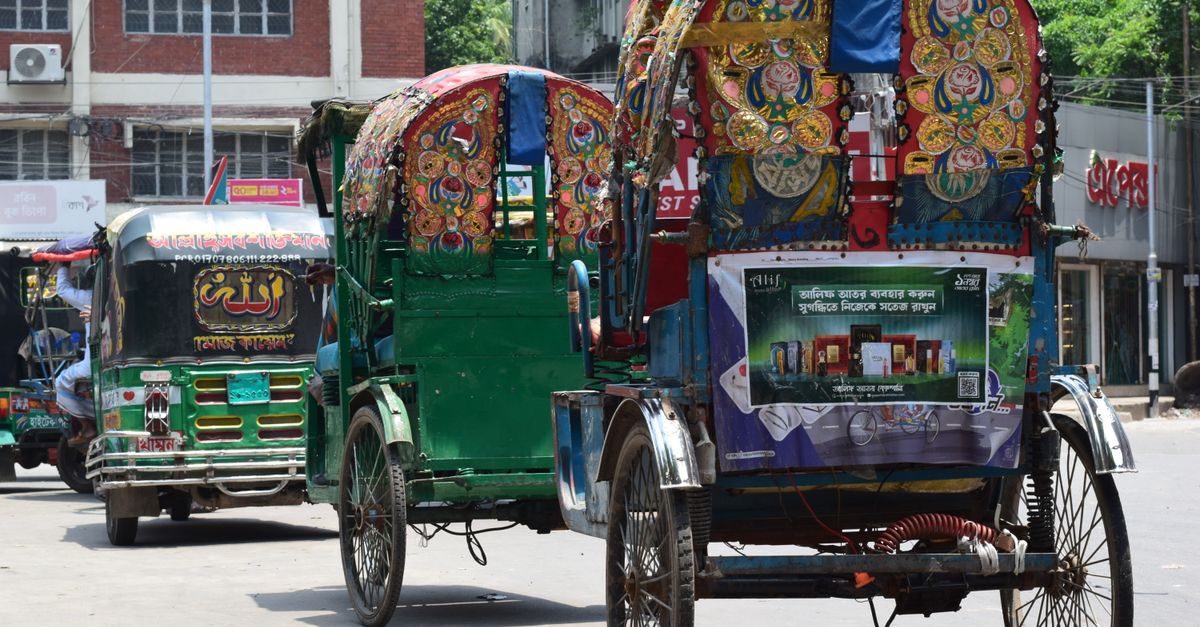
Traffic congestion in Dhaka is also not merely the consequence of rising vehicle numbers. Lack of coordination in public transport routes and services, irregular passenger boarding and alighting, haphazard parking, chaotic construction work on roads, and shortages of safe walking paths further complicate traffic movement. Solely widening roads or constructing flyovers will not provide a permanent solution. Reliable and affordable public transport, integrated routes, planned bus stops and parking, and safe pedestrian pathways leading to public transport must be developed simultaneously. Prior to approving new housing, industrial zones, or commercial hubs, comprehensive planning must exist to meet demands for transport, water, sanitation, healthcare, and educational institutions.
Waterlogging during monsoons, canal encroachment, and pollution directly demonstrate the cost of unplanned development to people. When water drainage paths are blocked, merely cleaning drains is insufficient; canals, water bodies, flood flow zones, and natural drainage channels must be protected. According to the Dhaka Water Security Program details published in February 2026, more than half of Dhaka's canals have vanished or are obstructed. The same details highlight limitations in sewerage connections and untreated wastewater entering water bodies. Although this data centers on Dhaka, the lesson applies to other urban areas across the country. Canal restoration, waste collection, wastewater treatment, water supply, and drainage must be integrated into a unified plan.
Urban residents' health does not depend solely on hospitals; the air they breathe, the water they drink, the acoustic environment they inhabit, and the surroundings they navigate are all intertwined with health. The World Bank's 2025 environmental analysis of Bangladesh reports annual average fine particulate matter (PM2.5) concentrations in Dhaka reaching 90-100 micrograms per cubic meter. Construction dust, vehicular emissions, brick kilns, industrial discharges, and waste burning constitute diverse sources of air pollution. Excessive honking, construction work, and vehicular noise are not mere nuisances; the World Health Organization notes that chronic noise is linked to sleep disturbance, psychological stress, and cardiovascular risks. Controlling dust at construction sites, monitoring vehicular and industrial emissions, enforcing noise limits, and regularly publishing data are thus integral to safeguarding urban public health.
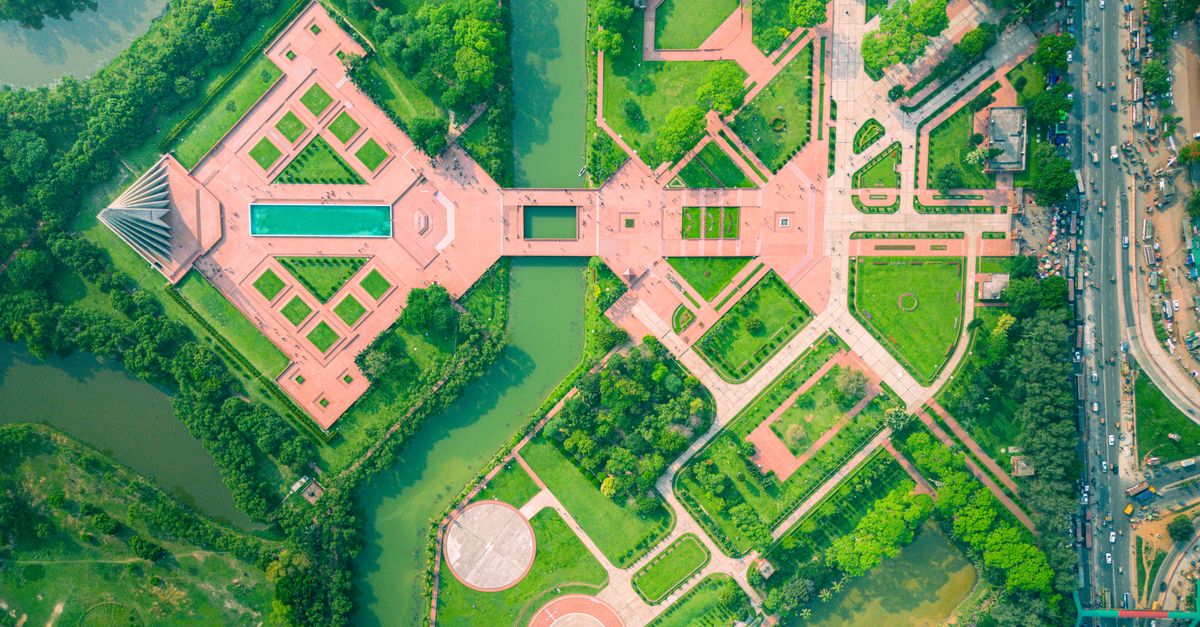
Cities must also be prepared for climate vulnerabilities. Trees, parks, playgrounds, ponds, and wetlands are not merely for aesthetics; they help mitigate urban heat, retain rainwater, and provide spaces for human well-being. The World Bank's analysis notes a correlation between rising temperatures in Dhaka and the depletion of green spaces and vegetation. Consequently, development plans must incorporate the preservation of open spaces and water bodies, shaded walkways, roadside trees, rainwater harvesting, and heatwave public awareness advisories. Prioritizing low-income and informal settlement populations in drainage, emergency service, and heat protection planning is imperative.
The theme of World Cities Day 2026 also brings forward the issue of adequate housing. High land and rental costs frequently compel low-income individuals to reside in informal settlements or underserved areas. Evicting them does not resolve the housing crisis; rather, it makes access to livelihoods, education, and healthcare more difficult. Upgrading old and vulnerable areas must incorporate resident participation, safe water, electricity, and sanitation, affordable rent and housing, and safeguards against displacement. Urban renaissance signifies not only constructing new buildings but also improving the rights and living standards of existing residents.
Because urban development issues fall under the purview of multiple authorities, lack of coordination hampers progress. The government should publish a national urban action plan coordinated by the Ministry of Housing and Public Works and the Local Government Division. This plan must delineate the responsibilities of RAJUK and other development authorities, city corporations, municipalities, water and sewerage authorities, road and transport authorities, and the Department of Environment. During the first six months of the annual action plan, city-specific data on building approvals and inspections, accident-prone roads, footpaths, canals, waterlogging, air and noise pollution, housing, and waste services could be published. In the subsequent six months, the urban action plan incorporating priorities, budgets, responsible agencies, and measurable targets should be released. Thereafter, annual reports detailing progress, expenditures, timelines, and grievance redressal should be published.
If plans are formulated without heeding citizens' needs, they remain unfeasible. Ward-level public hearings must incorporate the opinions of women, children, the elderly, persons with disabilities, pedestrians, public transport passengers, low-income residents, and small business owners. Authorities bear the responsibility of communicating which citizen proposals were incorporated into plans, which were not, and the rationale behind those decisions. Prior to project initiation, environmental, road safety, water, livelihood, and displacement impact assessments must be conducted and published. Citizen participation enhances the legitimacy of plans and helps promptly identify implementation gaps.
Unplanned urbanization constitutes a major impediment to a country's sustainable development. To resolve this crisis, the government, urban planners, relevant institutions, and the general public must step forward collectively. Unplanned urbanization can be curbed through sound urban planning, strict law enforcement, environmental conservation, adequate housing, and enhanced civic amenities. Effective initiatives must be undertaken to protect water bodies, agricultural land, and green spaces. Long-term planning and heightened public awareness in urban development are extremely vital. Therefore, to build a livable, safe, and eco-friendly city and prevent unplanned urbanization, effective measures are imperative.
Author Profile:
Lion Md. Gani Mia Babul (Teacher, Poet, Columnist, Social Worker, and Organizer) Founding President, Bangladesh Government Secondary Teachers Association (Agriculture) Central Committee Joint Secretary General, Nirapad Sarak Chai (NISCHA) Central Committee Phone: 01552631118, 01842631118 Email: [email protected]
— Daily Best News Desk • Fearless in the search for truth
Reported by Lion Md. Gani Mia Babul, • Edited by the Daily Best News desk. Send corrections to [email protected].