The nearly 16-year rule of the Bangladesh Awami League-led government, spanning from 2009 to 2024, stands out in the country’s political history as a dark chapter marked by widespread controversy, intense criticism, and fierce public protest. Analysts, critics, and citizens alike widely characterize this extended period as an era of misrule, authoritarianism, and the erosion of democratic institutions.
According to various intelligence inputs and official estimates, nearly 3,000 individuals fell victim to enforced disappearances and torture over these 16 years. Senior leaders of the Bangladesh Nationalist Party (BNP) claim that 1,204 of these victims were party leaders and activists.
Data compiled by the BNP Central Office indicates that during this period, approximately 143,000 cases were filed against nearly 6 million party leaders and workers. Furthermore, 4,771 party members were allegedly killed under the guise of crossfire extrajudicial actions, alongside 422 party members martyred during the July Revolution of 2024. Complete figures for other political parties remain unverified.
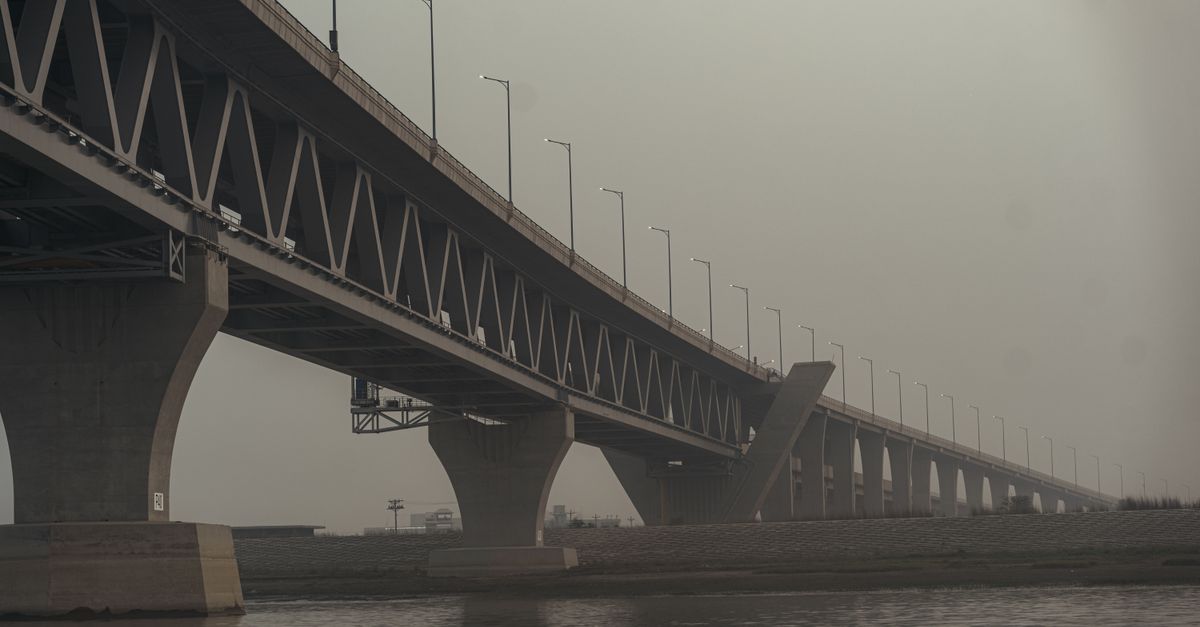
Public allegations highlight widespread irregularities, money laundering, and corruption linked to mega-infrastructure projects—such as the Padma Bridge, the Dhaka Metro Rail, and the Rooppur Nuclear Power Plant—which critics argue severely compromised the national economy and created lasting fiscal challenges for subsequent administrations
.
The international backdrop to these projects was set in 2012 when the World Bank raised allegations of high-level corruption conspiracy regarding the Padma Bridge project. Based on these allegations, the World Bank canceled its proposed $1.2 billion loan facility and blacklisted the involved Canadian engineering firm SNC-Lavalin.
Financially, the original approved cost of the Padma Bridge stood at approximately Tk 10,161 crore, which eventually escalated to between Tk 30,193 crore and Tk 30,770 crore upon project completion.
Similarly, the initial estimated budget for Bangladesh's first mass rapid transit line (MRT Line-6) was set at Tk 21,985 crore. Following subsequent revisions, the total project cost rose to Tk 33,472 crore.
For the Rooppur Nuclear Power Plant, the initial approved construction cost in 2016 was Tk 1.13 lakh crore (Tk 113,092.91 crore). By January 2026, according to information approved by the Executive Committee of the National Economic Council (ECNEC), the project's revised total cost was increased to approximately Tk 1.39 lakh crore.
 Read next4 More Deaths and 1,900 New Hospitalizations Reported From Dengue in 24 Hours
The financial sector suffered prolonged mismanagement, underscored by stock market collapses and escalating non-performing loans (NPLs).
Historical precedents trace back to 1996 under the Awami League administration, when share prices artificially spiked before a major market crash. Despite investigations, full judicial proceedings remained incomplete over three decades.
Between 2009 and 2011, extreme volatility plagued the capital markets, culminating in December 2010 when the Dhaka Stock Exchange (DSE) experienced a single-day drop of over 7 percent. This crash resulted in estimated investor losses amounting to Tk 50 billion (part of broader capital erosions reported up to Tk 6.5 lakh crore across sectors).
On January 24, 2011, a four-member probe committee led by Khondkar Ibrahim Khaled was formed. On April 7 of that year, the panel submitted its findings identifying 60 influential individuals involved in market manipulation, leading to the removal of the then-Securities and Exchange Commission (SEC) chairman. Further allegations in 2024 pointed to an additional loss of nearly Tk 1 lakh crore (Tk 1 trillion) from the stock market over the years.
Critique of the regime's governance structure also focuses on the electoral system. Critics argue that voting rights were severely compromised during national elections held in 2014, 2018, and 2024, alongside local government polls, which were widely boycotted and criticized as one-sided.
Freedom of speech and press freedom faced significant constraints through the enforcement of restrictive legislation—initially the Digital Security Act (DSA) and later the Cyber Security Act (CSA)—which press freedom advocates argue were used to silence journalists and suppress political dissent.
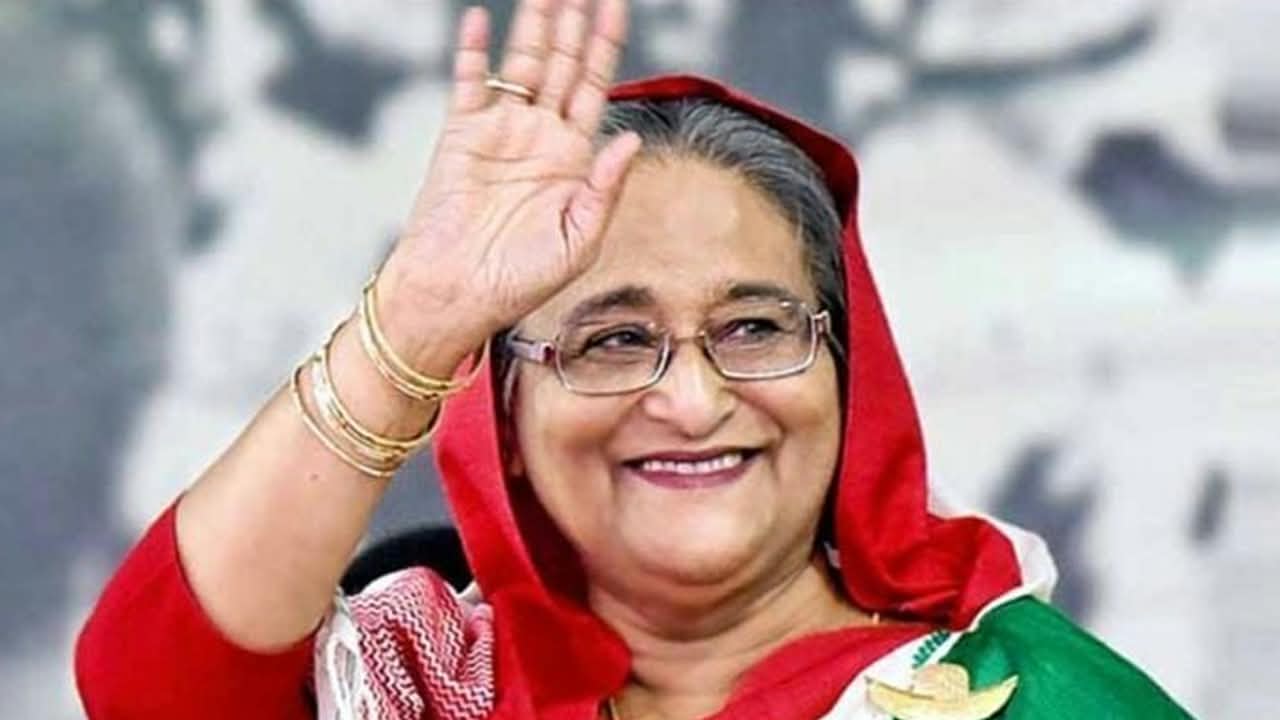
Following years of growing discontent, an unprecedented mass uprising led by students and citizens—termed the "July Revolution"—culminated on August 5, 2024, in the resignation and departure of Prime Minister Sheikh Hasina, bringing an end to the 15-and-a-half-year reign of the Awami League government.
Following the political transition and subsequent elections in 2026, the Bangladesh Nationalist Party (BNP) formed the government. Observers now look forward to seeing how the policy commitments outlined in Prime Minister Tarique Rahman’s economic and governance roadmap ("I Have a Plan") will be implemented for national recovery and development.
— Daily Best News Desk • Fearless in the search for truth
Reported by Alamin Haq Bijoy, Rajshahi Bureau Chief • Edited by the Daily Best News desk. Send corrections to [email protected].