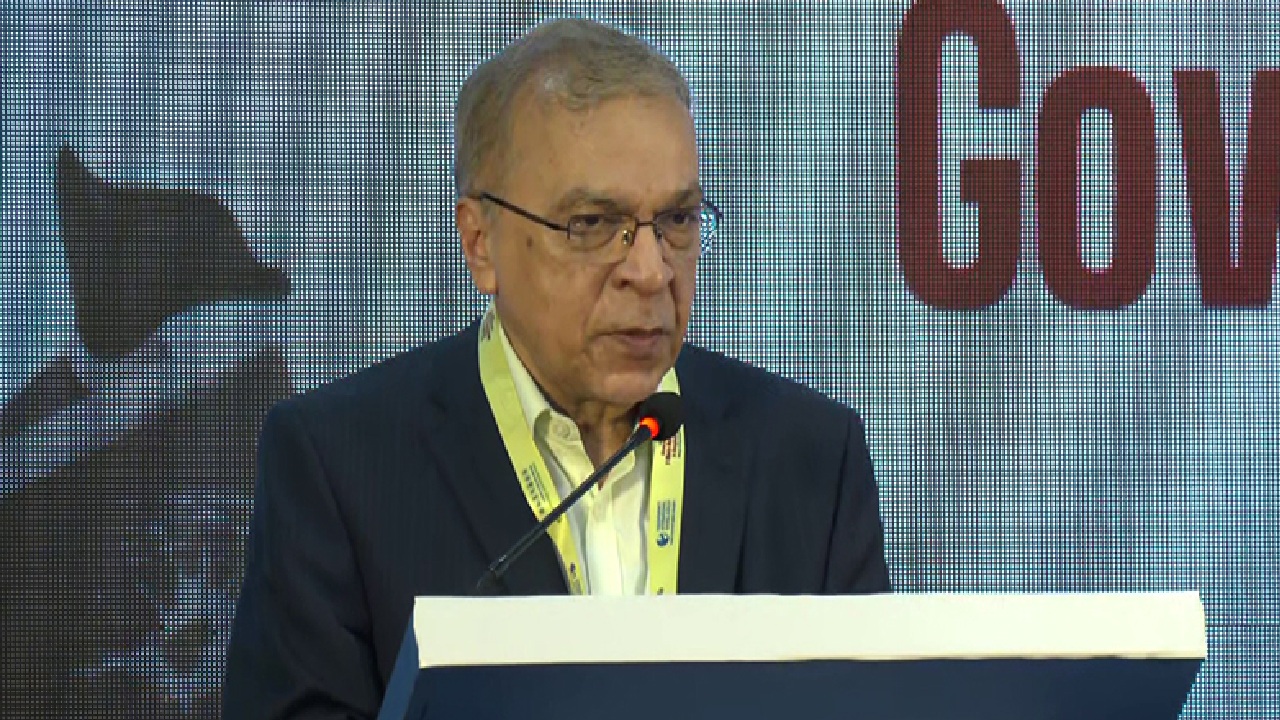
Transparency International Bangladesh (TIB) Executive Director Dr. Iftekharuzzaman criticized widespread corruption and regulatory failure in Bangladesh's electronic waste (e-waste) management sector, stating that despite the formulation of the Hazardous Waste (E-Waste) Management Rules in 2021, implementation remains stalled due to structural deficits and lack of coordination within the Department of Environment (DoE).
Speaking at a joint seminar titled "Good Governance in E-Waste Management in Bangladesh: Challenges and Prospects" organized by TIB and WEEE Society Bangladesh to mark International E-Waste Day 2026 on Wednesday (October 14), Dr. Iftekharuzzaman stressed that the lack of verified data hampers effective policy execution. The seminar revealed a glaring example of institutional oversight: nearly 150,000 defunct Electronic Voting Machines (EVMs) are currently lying neglected across 41 districts without any structured plan for recycling, component recovery, or safe disposal.
Highlighting findings from TIB's research conducted throughout 2025, the organization disclosed that approximately 97% of consumer e-waste collection in Bangladesh remains confined to the unregulated informal sector, while only seven recycling enterprises hold official registration with the Department of Environment. Citing UN Global E-Waste Monitor benchmark figures showing annual global electronic waste at 62 million tonnes, TIB urged the government to fulfill its commitment to establish processing plants in every district and mandate circular recycling for expanding solar power systems.
— Daily Best News Desk • Fearless in the search for truth
Reported by Staff Reporter • Edited by the Daily Best News desk. Send corrections to [email protected].