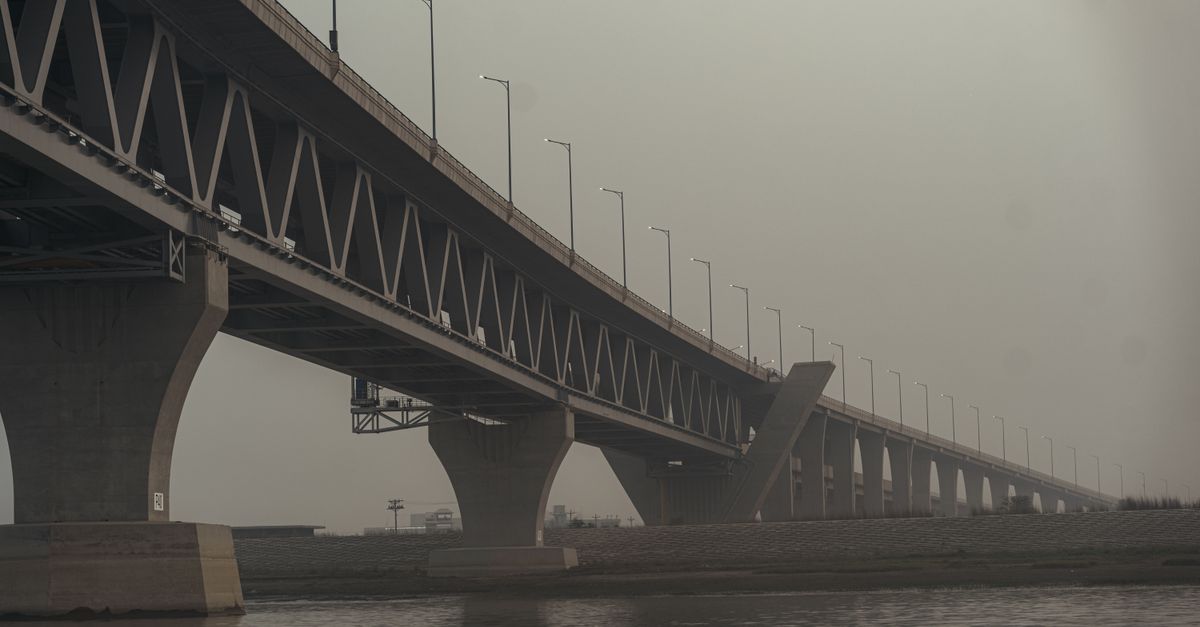
BNP Acting Secretary General and Prime Minister's Political Advisor Advocate Ruhul Kabir Rizvi has called for the immediate construction and fast-tracked execution of the Padma and Teesta Barrages to mitigate the severe downstream consequences of India's Farakka Barrage, including reduced river flow, rising salinity, and biodiversity loss.
Speaking as the chief guest on Wednesday evening, October 28, 2026, at a national roundtable titled "Role of the Padma Barrage in Protecting National Water Resources" at the Crown Plaza Ballroom in Gulshan, Rizvi emphasized that Bangladesh must strengthen its internal water management while simultaneously pursuing assertive transboundary water diplomacy.
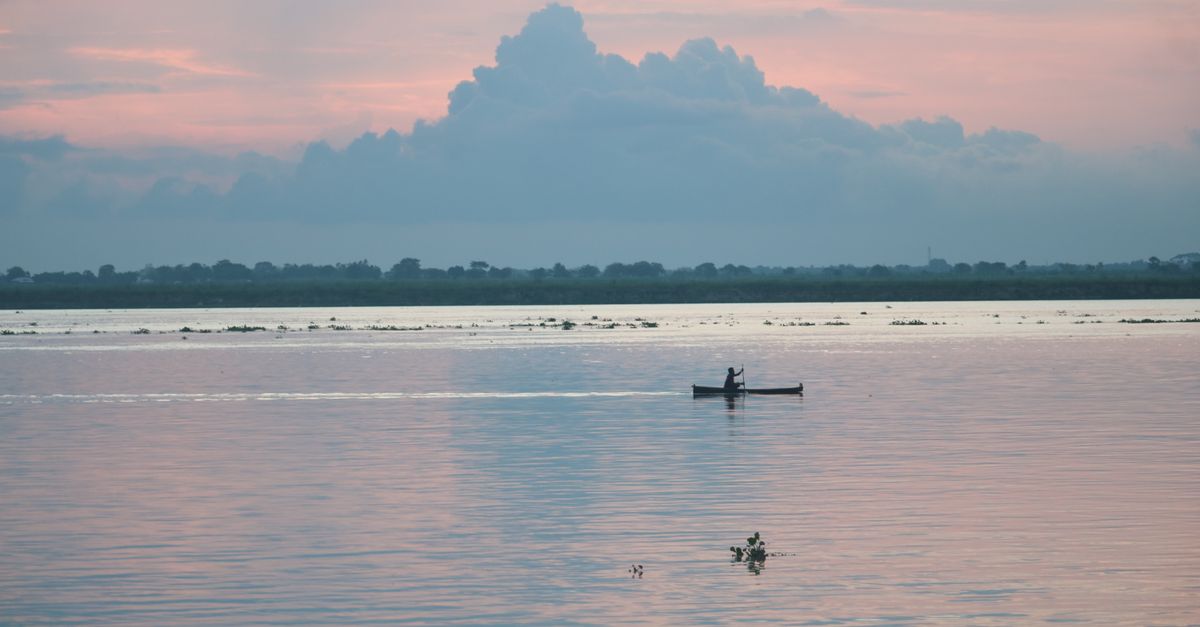
Rizvi highlighted that unilateral upstream water withdrawal during the dry season has depleted water levels across major river systems, noting visible siltation and shoals (chars) along the Teesta and Jamuna rivers as well as declining rainfall trends over the last two decades in Rajshahi and Chapainawabganj. He explained that diminished freshwater discharge in the Padma’s distributaries hampers the natural pushback against ocean water, pushing salinity deeper into coastal ecosystems like the Sundarbans. Constructing reservoirs and barrages along the Padma and Teesta will allow Bangladesh to store surplus monsoon water, maintain year-round river flows, protect agricultural productivity, safeguard biodiversity, and rejuvenate internal river transportation. Pointing to the omitted guarantee clause from the landmark 1977 Ganges Water Treaty, Rizvi urged the government to adopt a resolute diplomatic posture with neighboring countries for Bangladesh's fair share of international waters.
— Daily Best News Desk • Fearless in the search for truth
Reported by Staff Reporter • Edited by the Daily Best News desk. Send corrections to [email protected].