The European Union’s imposition of new customs duties and handling fees on low-cost apparel and consumer goods imports is shaking up the European retail market, challenging the traditional business models of China-based fast-fashion e-commerce platforms while creating potential new competitive advantages for Bangladeshi readymade garment (RMG) exporters.
According to an analysis by Bangladesh Apparel Voice (BAV) based on data from aviation consultancy Avian, direct airfreight shipments of low-value e-commerce goods from China to the EU dropped by nearly 50% in September 2026 compared to the same period last year. The downturn follows the EU’s introduction of a temporary €3 customs duty on low-value imported parcels starting July 1, effective through July 2028, alongside an additional €2 handling fee taking effect on November 1, 2026.
 Read nextSummit Group FSRU Shutdown for 3-Day Maintenance Triggers Severe Gas Crisis Risk Across Bangladesh
This regulatory shift directly impacts platforms shipping ultra-cheap apparel—such as €5 tops or €10 garments—directly from factories to consumers. For instance, a €3 duty on a €5 item can artificially inflate costs by up to 60% if passed on to buyers, eroding the price advantage that fueled explosive growth for platforms like Shein and Temu. To bypass these per-parcel fees, Chinese e-commerce giants are shifting strategies by bulk-shipping inventory to European warehouses for local distribution rather than mailing individual parcels from Asia.
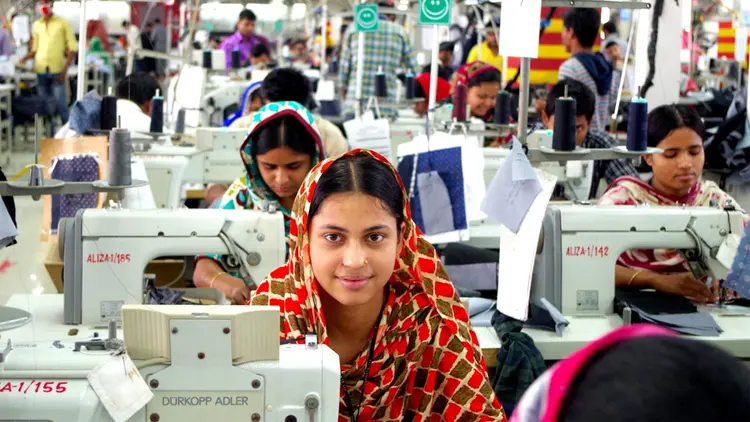
For Bangladesh's apparel sector—which relies on bulk shipments via global brands and retail chains rather than direct-to-consumer parcel shipping—the policy levels the playing field. Analysts suggest that as European consumers and buyers place greater emphasis on product quality, compliance, and supply chain reliability over mere rock-bottom pricing, Bangladesh is well-positioned to capture expanded market share, provided it enhances productivity and compliance standards.
— Daily Best News Desk • Fearless in the search for truth
Reported by Staff Reporter • Edited by the Daily Best News desk. Send corrections to [email protected].