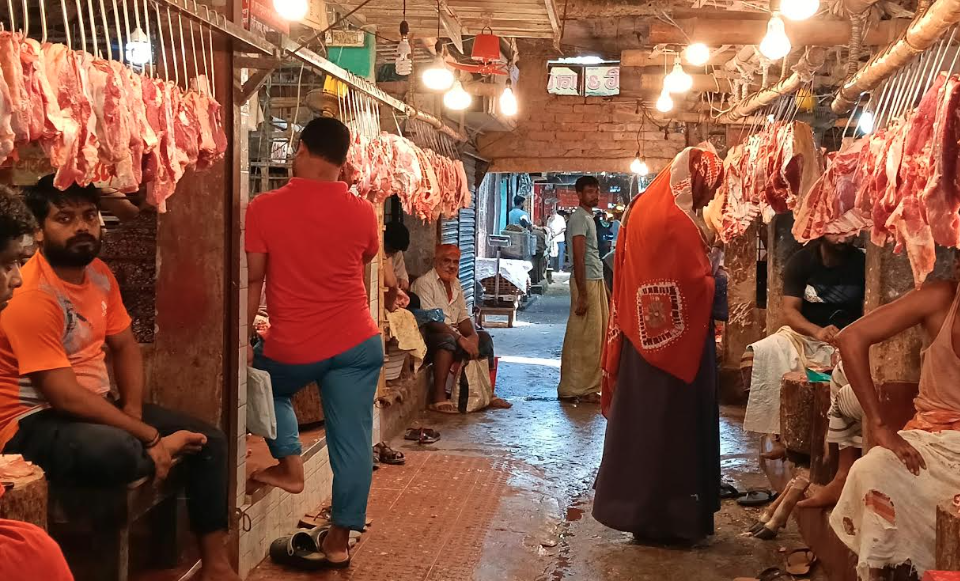
A comprehensive analysis of retail and wholesale markets in Rangpur over the past three months—spanning late August, September, and October—reveals varied trends in essential commodity prices. While vegetables have seen some relief due to the arrival of winter produce, fluctuations in spices, flour, and overall living costs continue to strain middle and lower-income families.
Vegetable Market Trends and Winter Arrivals:
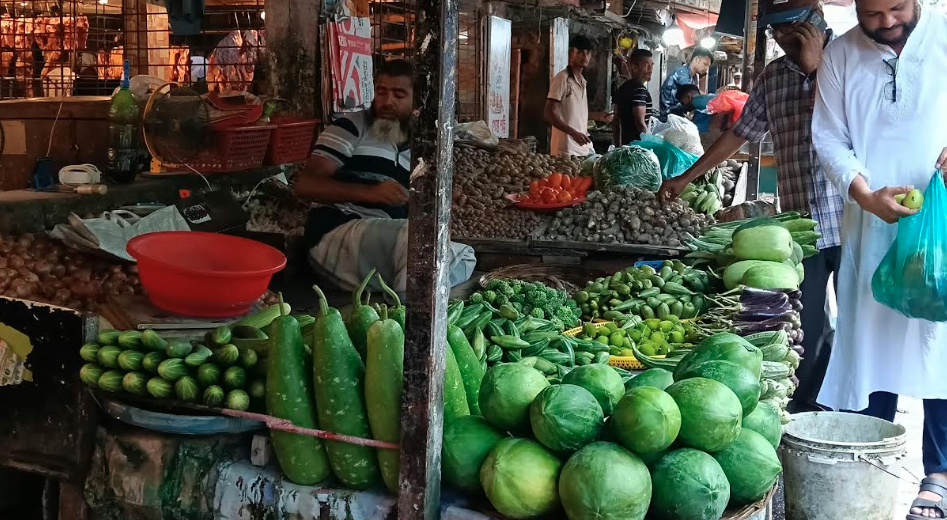
From late August through October, the vegetable market experienced notable shifts. Cardinal potatoes, which sold for Tk 22–25 per kg in late August, dropped to Tk 18–20 by late October, while white local potatoes fell to Tk 20–25. Tomatoes and carrots spiked to Tk 170–180 in late October before settling at Tk 120–140 per kg. Beans saw a significant drop from Tk 180–200 in September down to Tk 80–100 per kg by the end of October. Other items like teasel gourd (kankrol), ridge gourd (jhinga), and cauliflower maintained varied prices between Tk 40 and Tk 60 per kg. Green chili prices fluctuated frequently, peaking at Tk 120–130 in September before dropping to Tk 80–90 per kg in late October. Meanwhile, local onions remained relatively stable at Tk 45–50 per kg over the three months, whereas ginger dropped from Tk 220–240 down to Tk 130–160 per kg.
Meat, Poultry, and Egg Prices:
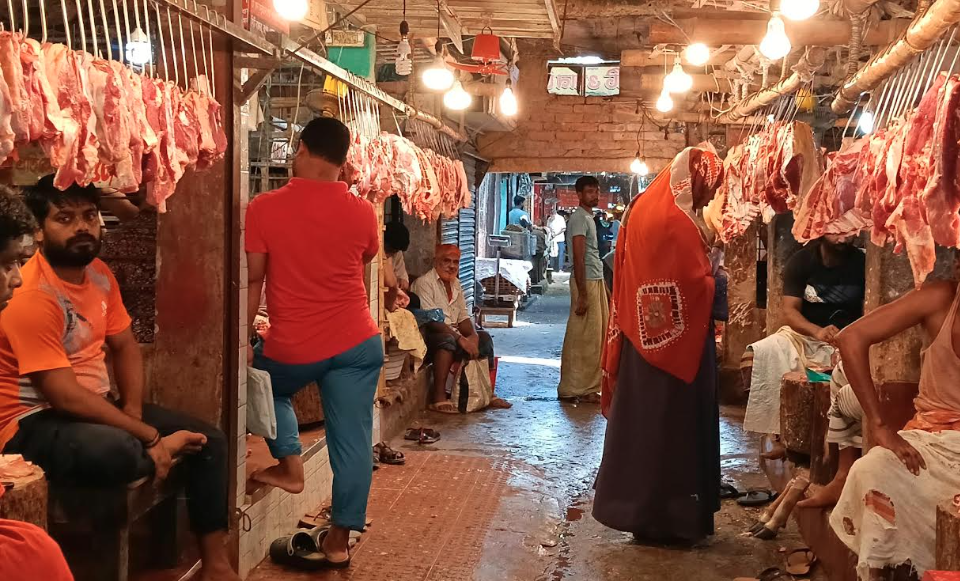
Broiler chicken remained steady at Tk 170–180 per kg across the months, while Sonali chicken sold around Tk 300–320. Red poultry eggs hovered between Tk 46 and Tk 50 per hali (four pieces), drawing complaints from lower-income consumers struggling with protein intake. Beef and mutton prices remained completely stable over the three months, selling at Tk 720–750 and Tk 1,000–1,100 per kg respectively. Fish prices also showed minimal change, with Rui selling at Tk 250–450 and Pangas at Tk 150–200 per kg.
 Read next Garment Workers Block Highway in Kaliakair, Gazipur Demanding a Minimum Monthly Wage of Tk 30,000
Stable Rice, Flour, and Grocery Goods:
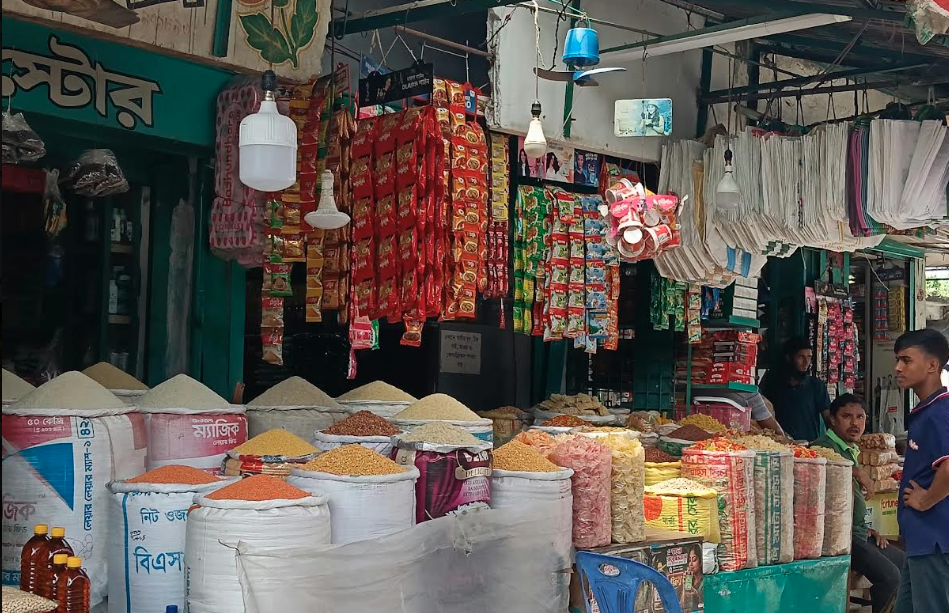
Coarse rice (Swarna) sold at Tk 48–50, BR-28 at Tk 60–65, and Miniket at Tk 75–85 per kg, though 25-kg rice sacks saw a gradual increase of Tk 130 to Tk 200 over the period. Bottled soybean oil remained steady at Tk 205–210 per liter, and lentils (masur) stayed within Tk 160–180 per kg. However, packaged flour (moyda) rose from Tk 65–70 in August to Tk 85–90 per kg in October.

Consumer Struggles and Market Monitoring:
Fixed-income consumers and citizens noted that after the 20th of the month, financial strains peak, making it difficult to maintain nutritional standards. Consumers urged stronger administrative oversight and regular market monitoring.
ABM Abdur Rahman, Rangpur District President of the Consumers Association of Bangladesh (CAB), emphasized that businesses often raise prices using various excuses, calling for more robust government monitoring. Meanwhile, Md. Mostafizur Rahman, Assistant Director of the Directorate of National Consumer Rights Protection in Rangpur, stated that regular monitoring drives are underway to curb dishonest business practices and stabilize prices.
— Daily Best News Desk • Fearless in the search for truth
Reported by Rangpur Bureau • Edited by the Daily Best News desk. Send corrections to [email protected].