In a democratic society, protesting against injustice, irregularities, or corruption is a recognized right of citizens. However, this right does not grant anyone the license to insult, threaten physical assault, use indecent language, or declare someone ousted. Recently, the rising trend of aggressive, humiliating, and intimidating behavior directed toward administrative officials or responsible individuals under the guise of "protesting irregularities" poses a profound threat to democratic culture, administrative discipline, and the rule of law.
Key points from the article include: Protest vs. Mob Behavior: True protest is organized, peaceful, evidence-based, and accountable. In contrast, mob behavior seeks to force surrender through tension, fear, insults, and group pressure. Labeling mob aggression as "public wrath" or "justice" is simply giving illegal violence a social and political shield.
Legal and Ethical Crisis: Taking the law into one's own hands undermines state judicial authority, forces honest and responsible officials to work in constant fear, and allows actual corrupt individuals to manipulate public outrage.
Psychological and Social Roots: The article explores the psychological factors behind mob actions, such as frustration-aggression, deindividuation within crowds, and the cognitive dissonance of rationalizing aggressive acts as a "struggle for justice."
Political Incitement and the Role of the State:** Vested groups often try to exploit political transitions by instigating instability. Political leadership must set an ethical example by maintaining zero tolerance toward mob culture, ensuring the neutral application of the law, and deploying digital, transparent grievance redressal mechanisms.
The author concludes that while corruption and inefficiency must be challenged, it must be done through legal processes and institutional accountability rather than fear, insults, and lawlessness—ensuring that no mob can hold the state's laws hostage.
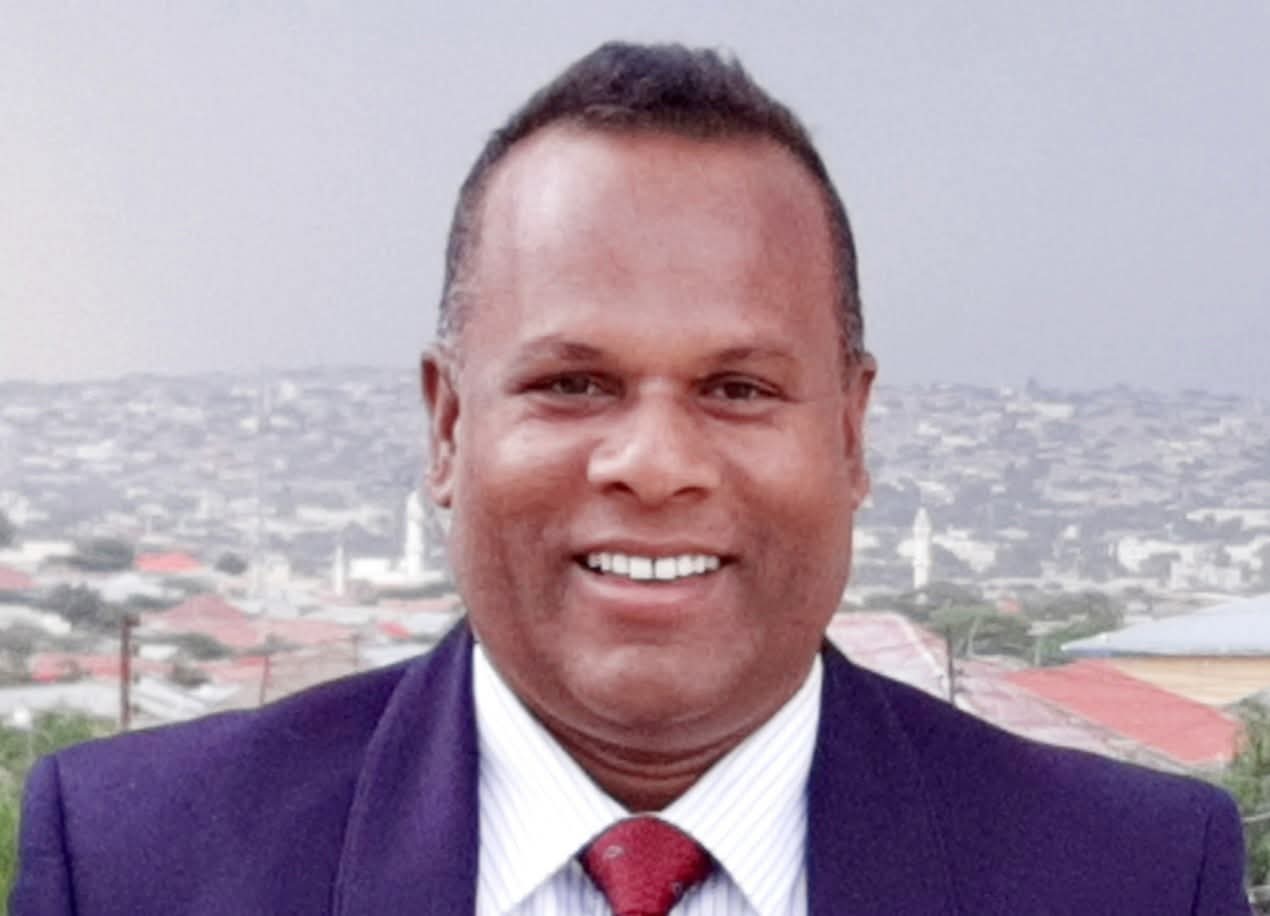
Author: Professor Dr. Asif Mizan Vice Chancellor, Darussalam University, Somalia; Criminology, Governance, and Human Rights Expert.
— Daily Best News Desk • Fearless in the search for truth
Reported by Professor Dr. Asif Mizan • Edited by the Daily Best News desk. Send corrections to [email protected].