The true efficacy of a democratic system is tested not merely at the national level, but within the grassroots machinery of local government. For the average citizen, the state is experienced most tangibly through the provision of local services—safe roads, proper drainage, waste management, clean water, local markets, public health, disaster management, and pedestrian safety. The stronger these local institutions function, the greater the public trust in the state. Amidst these foundational needs, the Election Commission has taken steps toward organizing upcoming Union Parishad elections, planning to roll out the voting across multiple phases with the first phase potentially commencing on November 12. While inter-ministerial meetings and consultations continue to finalize the formal schedule, this electoral initiative represents a vital opportunity to revive a stagnant local governance framework. However, holding an election is merely the first step. A credible election must guarantee voter freedom, candidate equity, and absolute protection against intimidation, muscle power, or administrative bias. Beyond the ballot box, the core dilemma facing local government is structural: responsibilities are heavily delegated to local bodies, yet they are frequently starved of adequate funding, technical manpower, and decisive authority. When public representatives are held accountable for local grievances without the administrative power or financial resources to resolve them, a structural crisis of accountability emerges. To build robust local governance, responsibility must be coupled with power, and power with resources. Furthermore, true reform demands radical transparency. Union Parishad budgets, development projects, expenditures, and implementation timelines must be openly published on digital platforms and local notice boards so that citizens can evaluate performance based on tangible improvements in their daily lives rather than mere financial allocations. Elected representatives must view their roles as public service rather than personal prestige, while defeated candidates and political parties must transcend post-election division to prioritize community welfare. Ultimately, strengthening local government requires moving beyond project dependency and empowering grassroots institutions with data-driven planning, strict financial audits, and unwavering administrative neutrality. A credible Union Parishad election serves as the indispensable gateway to ensuring that development reaches every citizen's doorstep, laying the bedrock for a transparent, accountable, and truly citizen-centric state.
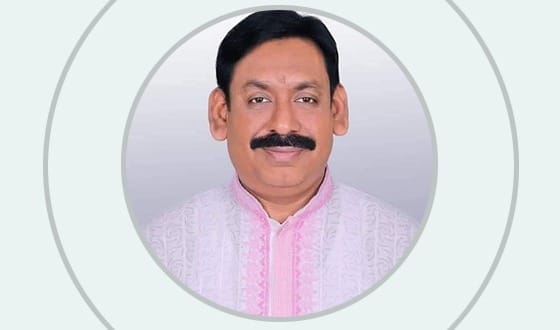
Reporter Designation: Lyon Md. Gani Mia Babul (Teacher, Poet, Columnist, Social Worker, and Organizer; Founder President, Bangladesh Government Secondary School Teachers Association (Agriculture) Central Committee; Joint Secretary General, Nirapad Sarak Chai (NISCHA) Central Committee)
— Daily Best News Desk • Fearless in the search for truth
Reported by Lyon Md. Gani Mia Babul • Edited by the Daily Best News desk. Send corrections to [email protected].