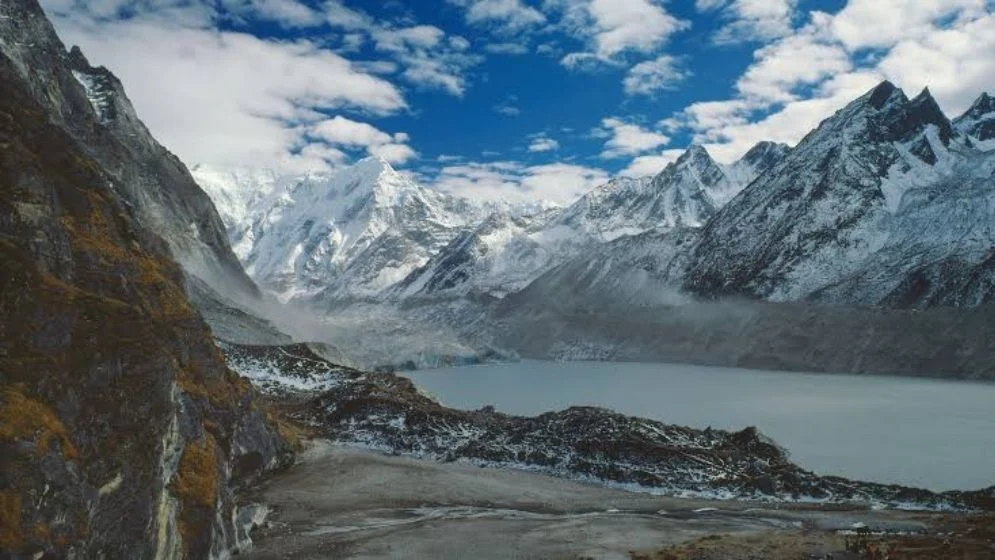
The sudden avalanche and catastrophic flood along the Nepal-Tibet border are not merely localized accidents; they represent a severe disaster threatening the entire ecosystem.
This incident serves as a major warning for eight countries, including Bangladesh, which rely directly and indirectly on the Himalayan mountain range. Scientists have warned that as Himalayan ice melts rapidly due to global warming, this dangerous situation is growing more complex by the day.
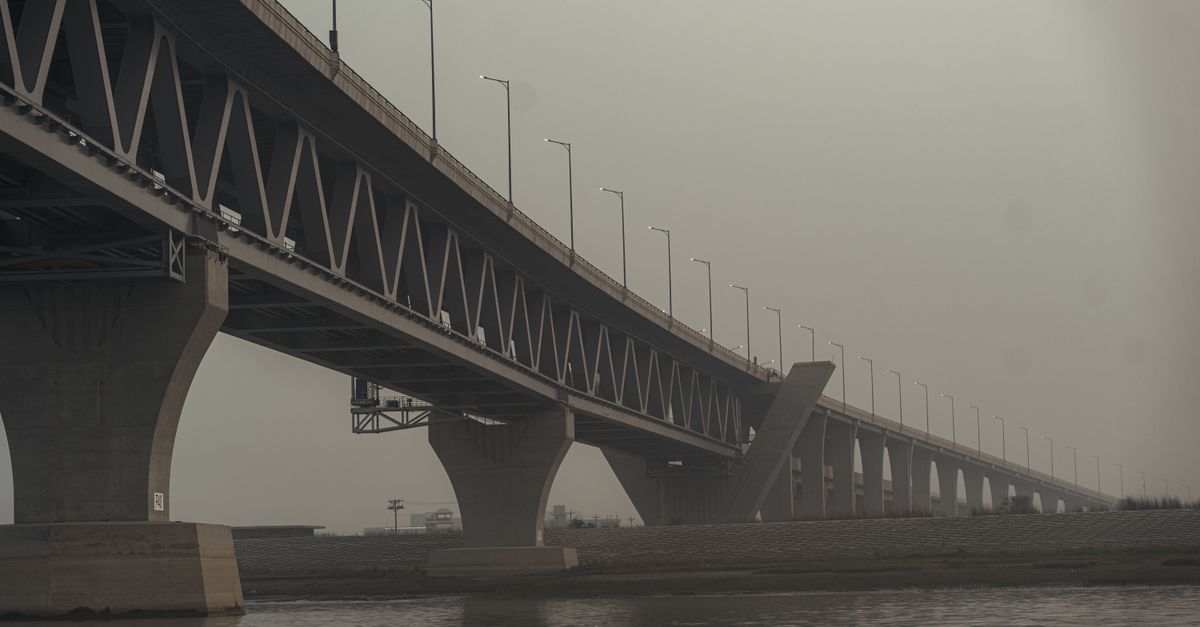
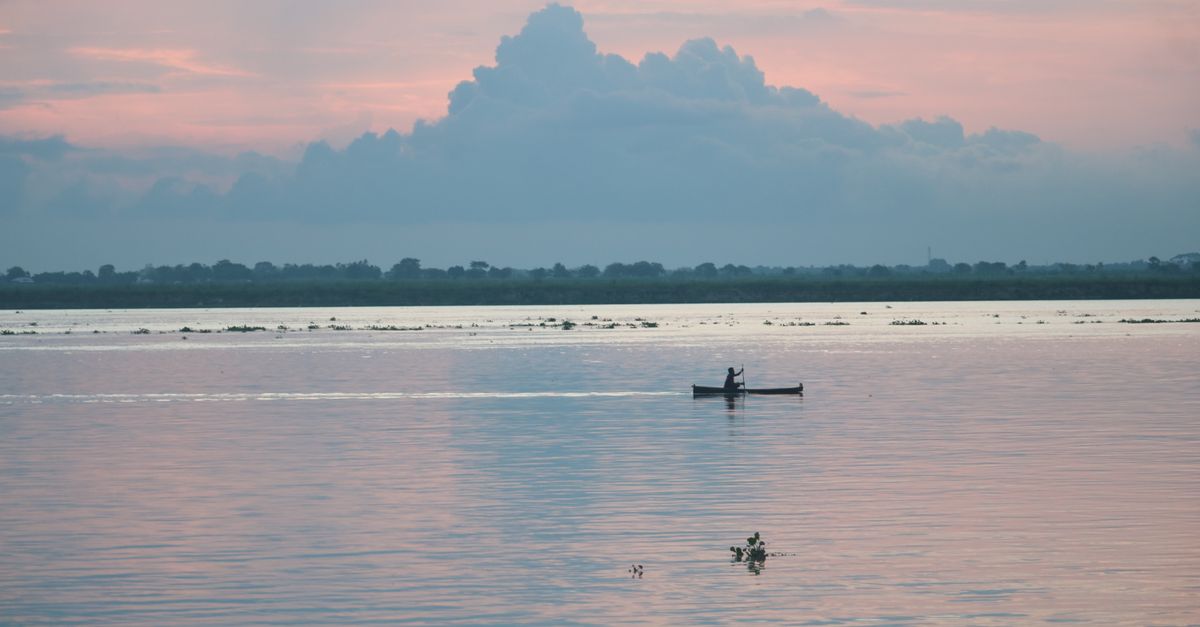
When avalanches or flash floods occur at mountain peaks, river water surges toward the plains within moments. Situated at the downstream ends of the Ganges, Brahmaputra, and Meghna basins, Bangladesh bears the direct impact of any upstream torrents. Due to these climate changes, the risks of sudden floods, river erosion, and untimely mountain surges are feared to multiply exponentially in the coming days.
Experts emphasize that managing disasters solely within individual national borders is no longer feasible. Eight countries in the region—including Bangladesh, India, Nepal, Bhutan, China, and Pakistan—must come together under a single framework. There is no alternative to joint systems for sharing advance meteorological data from the mountains and monitoring river flow patterns. Timely disaster early warnings can save thousands of lives and properties.
The New York Times
— Daily Best News Desk • Fearless in the search for truth
Reported by The New York Times • Edited by the Daily Best News desk. Send corrections to [email protected].