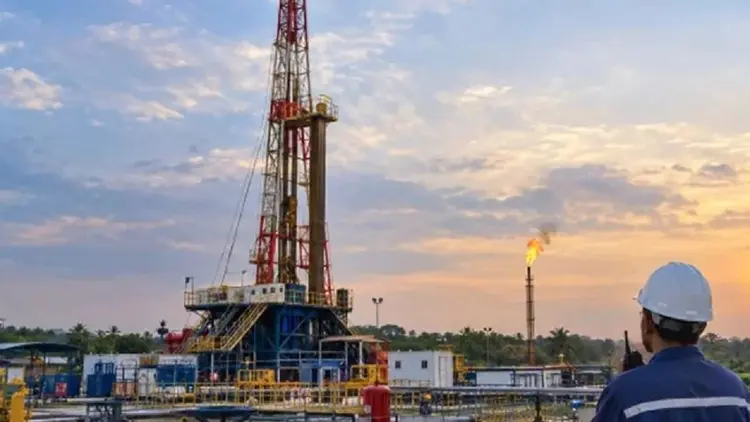
Amid global supply chain vulnerabilities and domestic energy shortages, the Government of Bangladesh has formulated a strategic roadmap to drill and overhaul 150 gas wells by 2031. The initiative aims to add 1,752 million cubic feet per day (MMCFD) of natural gas from indigenous sources, drastically reducing reliance on costly imported Liquefied Natural Gas (LNG), as reported by state news agency BSS.
According to Petrobangla and Planning Commission officials, the 150-well masterplan is divided into two distinct phases: Phase 1 running through January 2028 and Phase 2 spanning February 2028 to December 2031. The plan entails drilling 104 brand-new exploration/development wells and executing workover overhauls on 46 existing wells. Policy approval has already been granted for 77 wells across 27 projects and 4 company-approved workover wells. Of the 51 approved wells, 32 have already been completed, 11 are under field implementation, and 8 are awaiting startup.
 Read nextLabor and Management Agree to Implement New RMG Minimum Wage Effective December 1, with Increased Salaries Payable in January
Petrobangla Chairman Abdul Mannan highlighted that adding gas from newly drilled wells directly into the national grid is imperative to bridge Bangladesh's daily energy deficit. Currently, while paper demand is 5,300 MMCFD, actual daily usage sits at 3,800 MMCFD, against a total daily supply of only 2,700 MMCFD. Imported LNG via FSRUs contributes 1,100 MMCFD (41%), International Oil Companies (IOCs like Chevron and KrisEnergy) contribute 890 MMCFD (33%), and state-owned companies (BGFCL, SGFL, BAPEX) supply 726 MMCFD (26%). Of Bangladesh's total 262 drilled historical wells, 119 are currently producing. Under Phase 2, BAPEX alone will lead the effort by undertaking 68 wells (52 new, 16 workovers), alongside BGFCL (21 wells) and SGFL (11 wells).
— Daily Best News Desk • Fearless in the search for truth
Reported by Staff Reporter • Edited by the Daily Best News desk. Send corrections to [email protected].