Makkah Accord: Pakistan Warns Yemen's Houthis Against Aggression

Best News Desk
৯-৯-২০২৬ দুপুর ৩:১৩
Makkah Accord: Pakistan Warns Yemen's Houthis Against Aggression
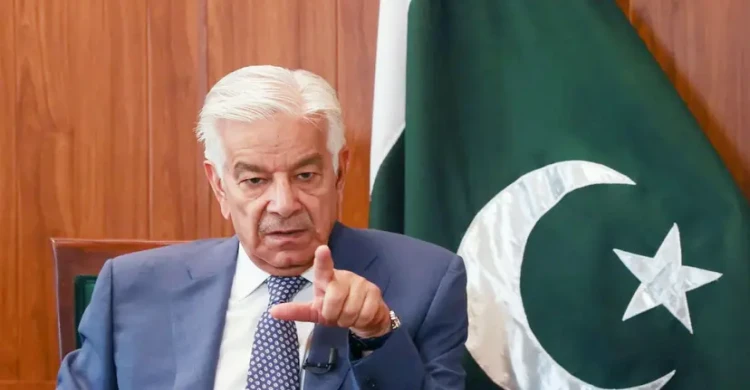
Pakistan Defense Minister Khawaja Muhammad Asif has issued a stern warning to Yemen’s Houthi rebel group, recalling the terms of the Makkah Defense Accord signed with Saudi Arabia. He cautioned that any aggression targeting the Kingdom could trigger the operationalization of the mutual defense pact.
In an interview with Pakistan's Geo News on Tuesday, the defense minister stressed Islamabad's commitment to the security agreement. "We are bound to abide by the terms of the agreement, and God willing, if any aggression takes place, we will honor this accord. There is no room for ambiguity on this matter. The Houthis should understand that their actions could reactivate the agreement," Asif said.
The trilateral Makkah Defense Accord was signed on September 17 in Makkah among Saudi Arabia, Türkiye, and Pakistan. The core clause of the pact dictates that if any signatory state faces aggression from an external power, the other member nations will deploy their full military capabilities to support the attacked partner.
However, Khawaja Asif acknowledged that he was unaware of whether Riyadh had officially requested Islamabad's assistance to suppress Houthi attacks, expressing hope that the situation would de-escalate soon. "I do not know yet whether Riyadh has sought cooperation from Islamabad. We want a swift resolution to the conflict, but if that does not happen and Riyadh requests our help, we will be obligated to cooperate under the agreement," he added.
Tensions between Saudi Arabia and the Iran-backed Houthi group date back to 2014 when civil war erupted in Yemen, leading to the Houthi capture of the capital, Sanaa, in 2015. Following the fall of the capital, then-Yemeni President Abdrabbuh Mansur Hadi fled to Saudi Arabia, prompting a Saudi-led military coalition to intervene in an effort to restore the recognized government.
Currently, the Houthis control nearly half of Yemen's territory, while the remainder is administered by the internationally recognized Presidential Leadership Council backed by Saudi Arabia.
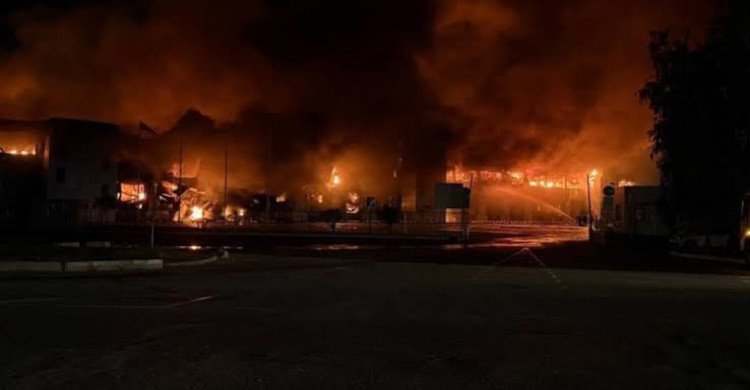
Although a truce was reached between the Houthis and Saudi Arabia in 2022, relations deteriorated sharply following an attack on Sanaa Airport last July. Tensions flared further on Monday when a Saudi-led coalition strike on a prison in a Houthi-controlled area resulted in the deaths of 11 inmates. Retaliating on Tuesday, the Houthi group launched severe strikes across four southern districts of Saudi Arabia, leaving at least 73 people injured.
Best News Desk
৯-৯-২০২৬ দুপুর ৩:১৩
Pakistan Defense Minister Khawaja Muhammad Asif has issued a stern warning to Yemen’s Houthi rebel group, recalling the terms of the Makkah Defense Accord signed with Saudi Arabia. He cautioned that any aggression targeting the Kingdom could trigger the operationalization of the mutual defense pact.
In an interview with Pakistan's Geo News on Tuesday, the defense minister stressed Islamabad's commitment to the security agreement. "We are bound to abide by the terms of the agreement, and God willing, if any aggression takes place, we will honor this accord. There is no room for ambiguity on this matter. The Houthis should understand that their actions could reactivate the agreement," Asif said.
The trilateral Makkah Defense Accord was signed on September 17 in Makkah among Saudi Arabia, Türkiye, and Pakistan. The core clause of the pact dictates that if any signatory state faces aggression from an external power, the other member nations will deploy their full military capabilities to support the attacked partner.
However, Khawaja Asif acknowledged that he was unaware of whether Riyadh had officially requested Islamabad's assistance to suppress Houthi attacks, expressing hope that the situation would de-escalate soon. "I do not know yet whether Riyadh has sought cooperation from Islamabad. We want a swift resolution to the conflict, but if that does not happen and Riyadh requests our help, we will be obligated to cooperate under the agreement," he added.
Tensions between Saudi Arabia and the Iran-backed Houthi group date back to 2014 when civil war erupted in Yemen, leading to the Houthi capture of the capital, Sanaa, in 2015. Following the fall of the capital, then-Yemeni President Abdrabbuh Mansur Hadi fled to Saudi Arabia, prompting a Saudi-led military coalition to intervene in an effort to restore the recognized government.
Currently, the Houthis control nearly half of Yemen's territory, while the remainder is administered by the internationally recognized Presidential Leadership Council backed by Saudi Arabia.
Although a truce was reached between the Houthis and Saudi Arabia in 2022, relations deteriorated sharply following an attack on Sanaa Airport last July. Tensions flared further on Monday when a Saudi-led coalition strike on a prison in a Houthi-controlled area resulted in the deaths of 11 inmates. Retaliating on Tuesday, the Houthi group launched severe strikes across four southern districts of Saudi Arabia, leaving at least 73 people injured.