Rizvi Questions Potential Sabotage Behind Power Disruptions and Obstruction of Government Progress

Best News Desk
১২-৯-২০২৬ দুপুর ৩:৩৯
Rizvi Questions Potential Sabotage Behind Power Disruptions and Obstruction of Government Progress
Ruhul Kabir Rizvi, Acting Secretary General of the Bangladesh Nationalist Party (BNP), has raised concerns over whether ongoing technical disruptions at power plants and key infrastructure stem from deliberate sabotage aimed at undermining the government’s developmental and public welfare initiatives.
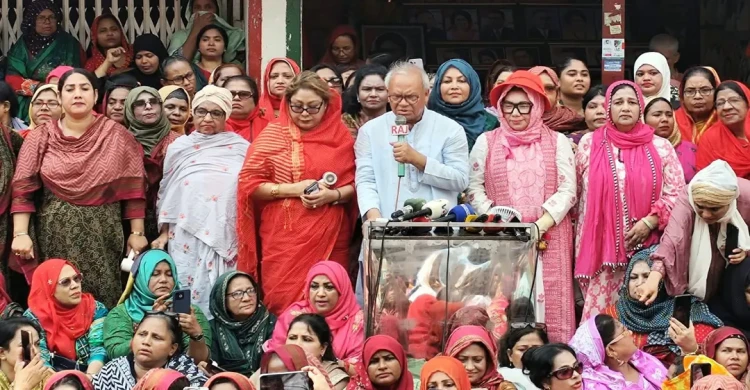
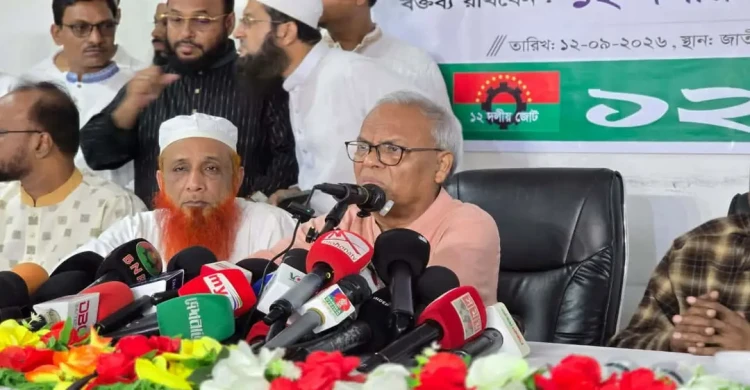
Speaking as the chief guest at a discussion meeting titled "Current National Crisis and the Duties of Patriotic Forces," organized by the 12-Party Alliance at the National Press Club auditorium on Saturday afternoon, Rizvi addressed the nationwide energy situation and political environment.
Rizvi acknowledged the severe energy constraints impacting the country, pointing to geopolitical tensions in the Middle East that have disrupted shipping lanes in the Strait of Hormuz, alongside technical faults encountered at the Maheshkhali regasification terminal. He assured the public that the government is actively working to resolve the shortages and expressed confidence that supply would normalize soon.
However, the BNP leader expressed skepticism regarding repeated operational failures across multiple facilities. "Technical glitches are occurring at one power plant after another," Rizvi remarked. "People are naturally questioning whether these recurring incidents are the result of deliberate sabotage designed to create an artificial crisis."
Rizvi also expressed deep concern over a recent incident in Rangpur involving the murder of four members of a Hindu family, confirming that law enforcement agencies are acting swiftly to bring those responsible to justice.
Highlighting ongoing social safety programs, Rizvi reiterated the government's commitment to protecting vulnerable populations through initiatives such as the Family Card scheme and expanding safety net support.
Addressing environmental and water security challenges in the northwestern region caused by the long-term impact of the Farakka Barrage, Rizvi highlighted the administration's policy to re-excavate vital canal networks. The government has set a target to excavate 20,000 kilometers of canals over a five-year period, with 1,000 kilometers already completed in the first six months. He questioned whether anti-development elements are actively conspiring to derail these foundational projects.
Acknowledging the contributions of the 12-Party Alliance, Rizvi commended the coalition for its historical role in advocating for democracy and national interests during critical periods. He noted that while opposition parties have a democratic right to criticize the government both inside and outside Parliament, such criticism must remain responsible and constructive rather than crossing into deliberate destabilization.
Turning to socio-legal matters, Rizvi addressed ongoing debates regarding Islamic inheritance laws and family welfare, noting that legislation addressing parental care and support was enacted based on consensus.
The discussion meeting was chaired by National Party (Jafar) Chairman Mostafa Jamal Haider and jointly moderated by Bangladesh Kalyan Party General Secretary Abu Hanif and Jamiat Ulema-e-Islam Organizational Secretary Mufti Zakir Hossain. Prominent alliance figures—including 12-Party Alliance Spokesperson and Jamiat Ulema-e-Islam Secretary General Dr. Maulana Mufti Mohiuddin Ekram, Bangladesh Kalyan Party Chairman Md. Shamsuddin Parvez, National Party Co-Chairman Ahsan Habib Linkon, and Islamic Oikya Jote Secretary General Maulana Abdul Karim—also delivered speeches at the event.
Best News Desk
১২-৯-২০২৬ দুপুর ৩:৩৯
Ruhul Kabir Rizvi, Acting Secretary General of the Bangladesh Nationalist Party (BNP), has raised concerns over whether ongoing technical disruptions at power plants and key infrastructure stem from deliberate sabotage aimed at undermining the government’s developmental and public welfare initiatives.
Speaking as the chief guest at a discussion meeting titled "Current National Crisis and the Duties of Patriotic Forces," organized by the 12-Party Alliance at the National Press Club auditorium on Saturday afternoon, Rizvi addressed the nationwide energy situation and political environment.
Rizvi acknowledged the severe energy constraints impacting the country, pointing to geopolitical tensions in the Middle East that have disrupted shipping lanes in the Strait of Hormuz, alongside technical faults encountered at the Maheshkhali regasification terminal. He assured the public that the government is actively working to resolve the shortages and expressed confidence that supply would normalize soon.
However, the BNP leader expressed skepticism regarding repeated operational failures across multiple facilities. "Technical glitches are occurring at one power plant after another," Rizvi remarked. "People are naturally questioning whether these recurring incidents are the result of deliberate sabotage designed to create an artificial crisis."
Rizvi also expressed deep concern over a recent incident in Rangpur involving the murder of four members of a Hindu family, confirming that law enforcement agencies are acting swiftly to bring those responsible to justice.
Highlighting ongoing social safety programs, Rizvi reiterated the government's commitment to protecting vulnerable populations through initiatives such as the Family Card scheme and expanding safety net support.
Addressing environmental and water security challenges in the northwestern region caused by the long-term impact of the Farakka Barrage, Rizvi highlighted the administration's policy to re-excavate vital canal networks. The government has set a target to excavate 20,000 kilometers of canals over a five-year period, with 1,000 kilometers already completed in the first six months. He questioned whether anti-development elements are actively conspiring to derail these foundational projects.
Acknowledging the contributions of the 12-Party Alliance, Rizvi commended the coalition for its historical role in advocating for democracy and national interests during critical periods. He noted that while opposition parties have a democratic right to criticize the government both inside and outside Parliament, such criticism must remain responsible and constructive rather than crossing into deliberate destabilization.
Turning to socio-legal matters, Rizvi addressed ongoing debates regarding Islamic inheritance laws and family welfare, noting that legislation addressing parental care and support was enacted based on consensus.
The discussion meeting was chaired by National Party (Jafar) Chairman Mostafa Jamal Haider and jointly moderated by Bangladesh Kalyan Party General Secretary Abu Hanif and Jamiat Ulema-e-Islam Organizational Secretary Mufti Zakir Hossain. Prominent alliance figures—including 12-Party Alliance Spokesperson and Jamiat Ulema-e-Islam Secretary General Dr. Maulana Mufti Mohiuddin Ekram, Bangladesh Kalyan Party Chairman Md. Shamsuddin Parvez, National Party Co-Chairman Ahsan Habib Linkon, and Islamic Oikya Jote Secretary General Maulana Abdul Karim—also delivered speeches at the event.