India Signals Continued Purchase of Russian Oil Despite US 100% Tariff Threat

International Desk
১৭-৯-২০২৬ দুপুর ৪:৫৬
India Signals Continued Purchase of Russian Oil Despite US 100% Tariff Threat
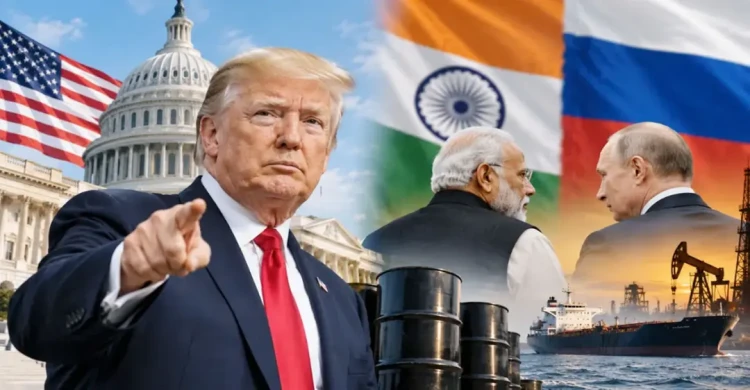
India has indicated it will continue purchasing crude oil from Russia despite facing a threat of up to 100% tariffs in the United States market following the passage of a new sanctions bill in the US Congress.
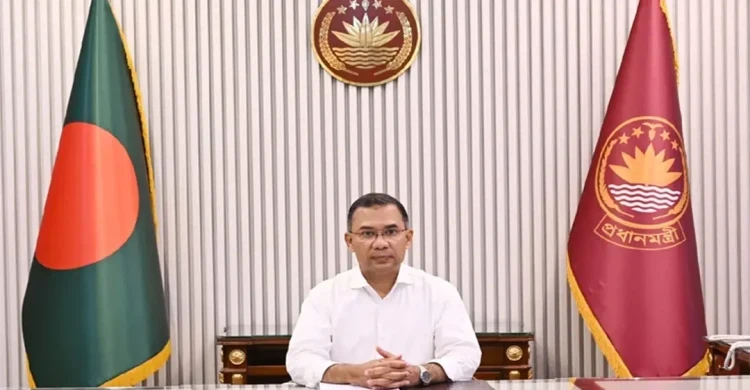
Responding to the development, the Ministry of External Affairs (MEA) affirmed that New Delhi is not prepared to compromise on the energy security of its 1.4 billion citizens.
The ministry further warned that if Washington moves to enforce these punitive duties, it will severely impact US-India bilateral relations as well as the stability of the global energy market.
"India has stated on multiple occasions and platforms, and reiterates today, that New Delhi is not prepared to compromise on the energy security of its 1.4 billion citizens. We have consistently purchased energy at affordable prices and will continue to do so in the future," the ministry stated.
"India remains firmly committed to taking all necessary measures to protect its commercial and economic interests. India believes that the implementation of this new legislation would negatively impact not only Washington-New Delhi bilateral relations but also the broader global energy market," the statement added.
Legislative Background of the US Bill
The legislative escalation stems from the passage of the "Lindsey O. Graham Sanctioning Russia and Iran Act of 2026" in the US House of Representatives, following its earlier approval in the Senate:
-
Scope of Tariffs: The legislation authorizes the US President to levy up to 100% export tariffs on the top five major buyers of Russian crude oil and natural gas, placing India, China, Hungary, Azerbaijan, Turkey, Slovakia, the UAE, Singapore, Kazakhstan, and the Kyrgyz Republic in potential crosshairs.
-
Legislative Origin: Named after the late US Senator Lindsey Graham, who championed the bill as a measure to curb Moscow's energy revenues, the legislation cleared the House in a 262–159 vote.
-
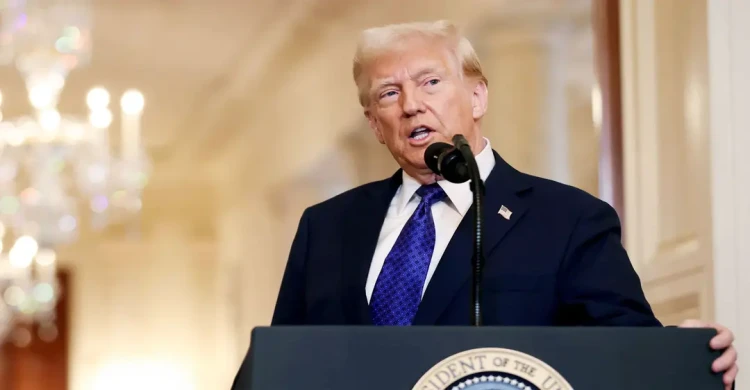
Executive Approval: Having passed both houses of the US Congress, the bill now awaits the signature of President Donald Trump to be enacted into law.
International Desk
১৭-৯-২০২৬ দুপুর ৪:৫৬
India has indicated it will continue purchasing crude oil from Russia despite facing a threat of up to 100% tariffs in the United States market following the passage of a new sanctions bill in the US Congress.
Responding to the development, the Ministry of External Affairs (MEA) affirmed that New Delhi is not prepared to compromise on the energy security of its 1.4 billion citizens.
The ministry further warned that if Washington moves to enforce these punitive duties, it will severely impact US-India bilateral relations as well as the stability of the global energy market.
"India has stated on multiple occasions and platforms, and reiterates today, that New Delhi is not prepared to compromise on the energy security of its 1.4 billion citizens. We have consistently purchased energy at affordable prices and will continue to do so in the future," the ministry stated.
"India remains firmly committed to taking all necessary measures to protect its commercial and economic interests. India believes that the implementation of this new legislation would negatively impact not only Washington-New Delhi bilateral relations but also the broader global energy market," the statement added.
Legislative Background of the US Bill
The legislative escalation stems from the passage of the "Lindsey O. Graham Sanctioning Russia and Iran Act of 2026" in the US House of Representatives, following its earlier approval in the Senate:
-
Scope of Tariffs: The legislation authorizes the US President to levy up to 100% export tariffs on the top five major buyers of Russian crude oil and natural gas, placing India, China, Hungary, Azerbaijan, Turkey, Slovakia, the UAE, Singapore, Kazakhstan, and the Kyrgyz Republic in potential crosshairs.
-
Legislative Origin: Named after the late US Senator Lindsey Graham, who championed the bill as a measure to curb Moscow's energy revenues, the legislation cleared the House in a 262–159 vote.
-
Executive Approval: Having passed both houses of the US Congress, the bill now awaits the signature of President Donald Trump to be enacted into law.